Gluten-Free Diets

Matteo
| 29-09-2026
 · Cate team
Gluten-free diets have become increasingly popular, but avoiding gluten is medically necessary for some people and a personal dietary choice for others. Gluten is a group of proteins found naturally in wheat, barley, and rye.
For people with celiac disease, eliminating gluten is an essential part of treatment. Others may experience symptoms associated with gluten without having celiac disease.
Understanding these conditions can help people make informed dietary choices while maintaining a nutritious eating pattern.
What Is Gluten?
Gluten is a group of proteins naturally present in wheat, barley, and rye. It helps dough maintain its structure and contributes to the texture of many baked foods.
For most people, gluten can be consumed as part of a balanced diet. However, people with certain gluten-related conditions may need to avoid it.
Celiac Disease
Celiac disease is a chronic immune-mediated condition in which consuming gluten triggers an immune response that damages the lining of the small intestine. This damage can interfere with nutrient absorption and may contribute to nutritional deficiencies and other complications.
The National Institute of Diabetes and Digestive and Kidney Diseases states, “Doctors treat celiac disease by helping people to follow a gluten-free diet.”
For people diagnosed with celiac disease, a strict gluten-free diet is the primary treatment. Continuing to avoid gluten can allow the small intestine to heal and help manage symptoms over time.
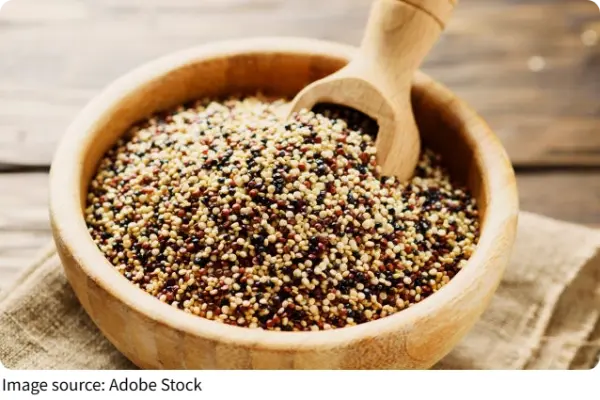
A gluten-free diet requires careful food selection because gluten can occur in a wide range of packaged and prepared foods. Naturally gluten-free options include fruits, vegetables, rice, potatoes, quinoa, buckwheat, legumes, nuts, and seeds.
Non-Celiac Gluten Sensitivity
Non-celiac gluten sensitivity refers to symptoms associated with consuming gluten in people who do not have celiac disease or another established condition that explains their symptoms.
Reported symptoms may include bloating, abdominal discomfort, and tiredness. However, there is no single laboratory test that confirms this condition.
Because similar symptoms can occur for many reasons, medical evaluation is important. A healthcare professional can help rule out celiac disease and other possible causes before dietary changes are made.
Is a Gluten-Free Diet Healthier?
Going gluten-free does not automatically make a diet healthier. For people without a diagnosed gluten-related condition, there is no established need to eliminate gluten simply for general health.
Nutritional quality depends on the foods that make up the diet. Some packaged gluten-free products may contain less fiber or certain nutrients than comparable whole-grain foods. Others may contain added ingredients to improve their texture or flavor.
A nutritious gluten-free eating pattern can instead emphasize naturally gluten-free foods, including vegetables, fruits, legumes, rice, quinoa, buckwheat, nuts, and seeds.
How to Follow a Balanced Gluten-Free Diet
Prioritize naturally gluten-free foods
Building meals around minimally processed foods can provide greater dietary variety and help supply essential nutrients.
Pay attention to nutrients
People following a gluten-free diet should pay attention to fiber, iron, calcium, and B vitamins. A varied diet can help support adequate intake of these nutrients.
Read labels carefully
Gluten may be present in processed foods through ingredients derived from wheat, barley, or rye. People with celiac disease also need to consider cross-contact during food preparation, storage, and serving.
Use gluten-free packaged foods selectively
Gluten-free breads, cereals, pasta, and baked foods can be convenient, but the gluten-free label does not determine a product's overall nutritional quality. Checking nutrition information can help when selecting packaged foods.
Get Medical Advice Before Removing Gluten
If you regularly experience symptoms that you believe may be related to gluten, consult a healthcare professional before eliminating it from your diet.
This is particularly important when celiac disease is suspected. Starting a gluten-free diet before diagnostic testing can affect test results and make an accurate diagnosis more difficult.
Appropriate evaluation can help identify the cause of symptoms and determine whether a gluten-free diet is necessary.

A gluten-free diet is an essential treatment for people with celiac disease and may be appropriate for certain other gluten-related conditions. For people without such conditions, eliminating gluten is not automatically associated with better health.
The key is to focus on overall dietary quality. A varied selection of naturally gluten-free foods, attention to important nutrients, careful label reading, and appropriate professional guidance can support a balanced and sustainable gluten-free eating pattern.