Sardinia Uncovered

Kenji
| 05-10-2026
 · Travel team
Sardinia’s coastline may attract most of the attention, but the island is much more varied than its famous white sands suggest. Ancient Nuragic settlements, rugged hiking territory, historic towns and protected islands make it worth planning at least a week here.
For a first visit, combining two or three regions is far more rewarding than trying to circle the entire island.
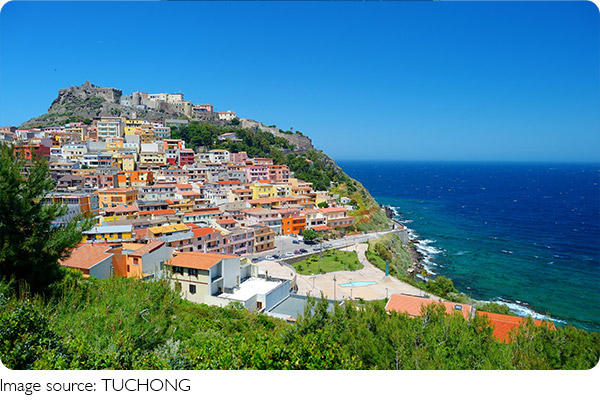
Explore The Gulf Of Orosei
The Gulf of Orosei on Sardinia’s eastern coast delivers some of the island’s most dramatic scenery. Limestone cliffs plunge into intensely blue water, while beaches such as Cala Mariolu and Cala Sisine are reached mainly by boat or on foot. Cala Gonone is the most convenient base for exploring the coastline. Standard full-day boat excursions from Cala Gonone currently start at around €40, while smaller-group dinghy trips generally cost more. Some 2026 excursions with a skipper are priced from €70 in April and October, rising to about €110 in August.
Hikers can skip the boat for part of the journey. One demanding option follows the roughly 12km coastal route from Cala Sisine towards Cala Gonone, but the terrain requires proper footwear, water and good fitness.
Step Into Sardinia’s Past
For history, Su Nuraxi di Barumini should be near the top of the itinerary. This UNESCO-listed Nuragic complex, about an hour north of Cagliari, preserves the remains of a Bronze Age settlement centred around massive stone towers.
A full adults ticket costs €15 and includes Su Nuraxi, Casa Zapata and the Giovanni Lilliu Centre. Visits to the archaeological area are guided, depart approximately every 30 minutes and last around one hour.
Give Cagliari More Time
Sardinia’s capital works well as both an arrival point and a destination in its own right. Wander through Il Castello, explore the old lanes above the harbour and leave time for the long sandy stretch of Poetto Beach. The city also makes a practical base for southern Sardinia.
Getting around is inexpensive. A 90-minute urban CTM ticket costs €1.30, while a 24-hour ticket covering the network and MetroCagliari costs €3.30.
Stay In Alghero
Alghero feels noticeably different from much of the island thanks to its long-standing Catalan influence. Its walled historic centre is ideal for evening walks, while nearby Capo Caccia adds one of Sardinia’s most impressive natural attractions.
Neptune’s Cave can be reached by land or sea. The 2026 adults admission price is €18, with reduced tickets available for eligible visitors. Travellers approaching on foot must reserve a time slot, and the entrance ticket does not include transport to Capo Caccia or a boat journey from Alghero.
Alghero
Escape To Smaller Islands
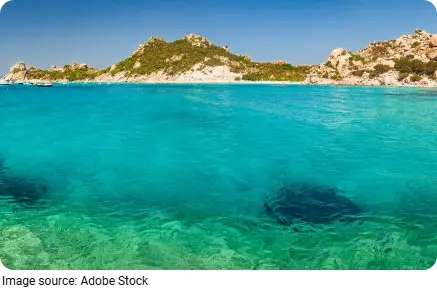
La Maddalena Archipelago is one of the best choices for a day on the water. Granite islands, transparent coves and relatively undeveloped landscapes make the area feel very different from Sardinia’s larger resorts.
Shared half-day boat trips in 2026 cost roughly €60–70 per adults depending on the month, while some full-day tours range from €85 in April to €140 in August. Prices vary considerably by boat size and inclusions, so compare itineraries rather than choosing purely by cost. Natour Sardinia
Nature lovers can also consider Asinara, known for its protected landscapes and wildlife, while the mountainous Barbagia and Supramonte regions suit travellers who would rather hike than spend every day on the coast.
Plan Your Budget Carefully
Sardinia is noticeably cheaper outside July and August. Current budget guidance places hostel accommodation at around €15–25 per night, a basic double room at €50–80, agriturismo stays at €70–110 and self-catering apartments at roughly €80–120. A fixed-price local lunch can start from around €15. A car is the most useful option if you want beaches, archaeological sites and inland villages in one trip. Rental prices fluctuate sharply by season, with current estimates around €25–45 per day in the shoulder months and much higher in peak summer.
Seven to ten days is ideal for a first Sardinian journey. May, June, September and early October offer the best balance of warm weather, lower accommodation costs and lighter crowds. Rather than chasing every celebrated beach, build the trip around a few contrasting bases: Cagliari for urban life, Cala Gonone for dramatic coastline and Alghero or La Maddalena for the north. That slower approach reveals the island’s history and landscapes far better than a rushed circuit.