Dubrovnik Smart Escape

Julian
| 05-10-2026
 · Travel team
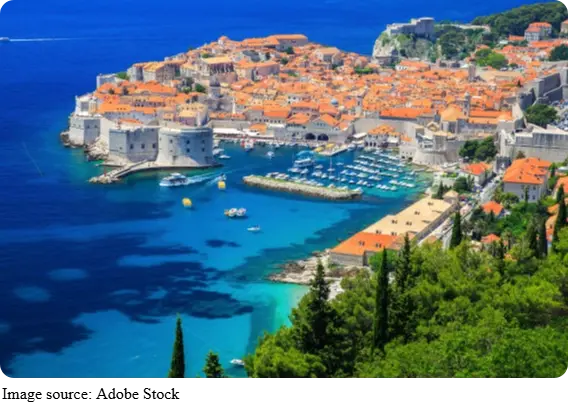
Dubrovnik is compact, beautiful and increasingly busy, which makes planning more important here than in many other European cities. The UNESCO-listed Old
Town can be explored in a couple of days, but allowing three days gives you enough time for the walls, museums, viewpoints and the coast without rushing from one landmark to another.
Choose The Right Time
May, late September and October are among the best periods for a visit. These shoulder-season months avoid the heaviest summer crowds while still offering pleasant conditions for sightseeing and time by the sea. June, July and August are much busier, so accommodation, popular restaurants and excursions should be booked well in advance.
For a first trip, two to three full days are enough for central Dubrovnik. With a week, you can comfortably add places such as Ston, the Elaphiti Islands or Korčula.
Stay Close, But Not Too Close
The Old Town is the most atmospheric place to stay, particularly if you want to walk to the main sights early in the morning before day visitors arrive. However, accommodation inside the walls can be expensive and involves plenty of stairs.
Lapad is a practical alternative, offering easier access to beaches and restaurants while remaining well connected by bus. Gruž is useful for travellers planning ferry trips and is generally more convenient for transport connections.
Dubrovnik is not an ideal destination for spontaneous high-season accommodation hunting. Rooms can sell out quickly, so advance booking is particularly important between June and August.
Walk The Walls Early
Dubrovnik’s defining experience is the complete circuit of its medieval city walls. The route stretches for about 2km and provides uninterrupted views over terracotta rooftops and the Adriatic. The fortifications reach up to 25m in height in places.
Go as early as possible or later in the afternoon to avoid both the strongest heat and the largest groups. Good footwear matters because the polished limestone can become slippery, especially after rain.
A Dubrovnik Pass can be worth considering if you intend to combine the walls with several museums and public transport, as it bundles major attractions and local bus travel.
Use Buses Instead Of Driving
Driving into the historic centre is rarely worthwhile. The Old Town itself is pedestrianised, parking nearby is limited and expensive, and traffic can be heavy during peak season. Local buses are far easier.
A one-hour Libertas ticket costs €1.73 when purchased in advance, while buying a single ticket on board costs €2.50. A 24-hour ticket is €5.31, and a three-day ticket costs €11.95.
The airport lies about 22km from Dubrovnik, and the journey usually takes around 30 minutes outside heavy traffic. An airport shuttle costs around €10 each way.
See Dubrovnik From Above
For one of the broadest views of the city, take the cable car to Mount Srđ. The journey lasts about four minutes.
An adults return ticket costs €30, while a one-way journey is €17. Children aged four to 12 pay €8 return or €5 one way, and children under four travel free. Buying online may involve an additional €2 transaction fee, so purchasing directly at the lower station can be cheaper.
The cable car operates seasonally, with longer opening hours in summer and closures during parts of winter, so check the timetable before planning an evening visit.
Mount Srđ
Explore Beyond The Walls
A major mistake is treating Dubrovnik as nothing more than its Old Town. Walk along the Lapad waterfront, visit Gruž market or spend an afternoon on one of the nearby pebbly beaches.
Lokrum is also an easy escape from the crowds, while travellers with more time can continue towards Mljet, Ston or the Konavle region.
Pack swimming shoes if you plan to spend time on the coast. Many local beaches are rocky or pebbly, making them far more comfortable with proper footwear.
Budget With Care
Dubrovnik is one of Croatia’s more expensive destinations, so the easiest way to control spending is to mix paid attractions with free experiences. Wandering Stradun, exploring side streets, watching the sunset and walking around Lapad cost nothing.
Public fountains, including the historic Onofrio fountains, provide safe drinking water, so carrying a refillable bottle is both practical and economical.
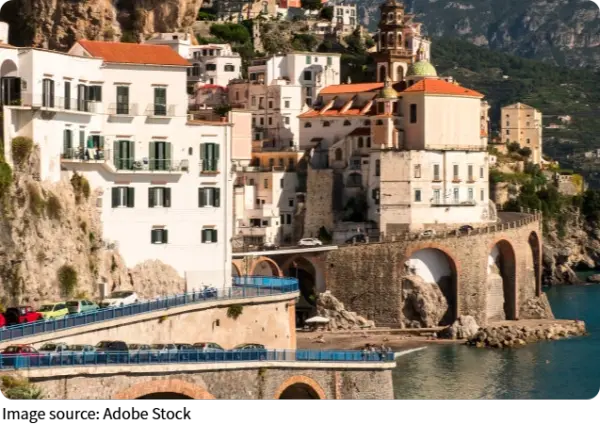
Three days is the sweet spot for most first-time visitors. Prioritise the walls, one panoramic viewpoint, a few historic interiors and time outside the Old Town. Dubrovnik feels far more rewarding when its beauty is experienced slowly rather than compressed into a single crowded afternoon.