Minnesota Road Trip

Samir
| 06-10-2026
 · Travel team
Lykkers, Minnesota is made for road trips. Long stretches of highway connect Lake Superior, forested parks, small towns, rushing waterfalls, and quiet wilderness areas, giving travelers plenty of reasons to leave the main roads and explore.
Whether you have a weekend or several days, these six routes offer different ways to experience the state's landscapes while keeping the journey itself part of the adventure.
1. North Shore Scenic Byway
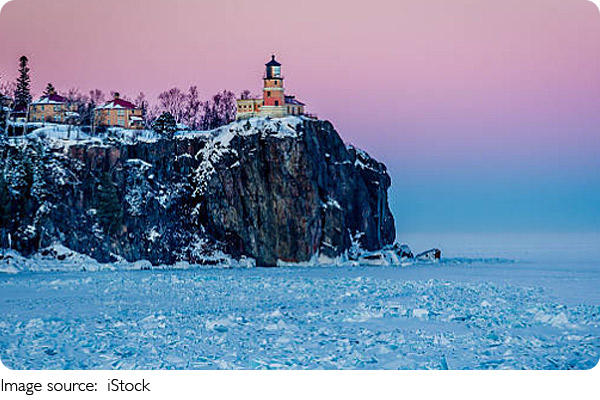
The North Shore is one of Minnesota's classic drives, following Lake Superior from Duluth toward Grand Portage for roughly 154 miles. Allow at least two days if you want to enjoy the route without rushing. Start in Duluth before continuing toward Two Harbors, Gooseberry Falls, Split Rock Lighthouse, Tettegouche State Park, and Grand Marais.
Split Rock Lighthouse is an excellent stop. The historic site is open daily from 10 a.m. to 6 p.m. between May 1 and October 19. General admission costs US$15, while children ages 5 to 17 pay US$8.
Minnesota
2. Great River Road
For a much longer journey, follow the Mississippi River from Itasca State Park south toward La Crescent. The Minnesota section covers approximately 565 miles and passes through forests, farming communities, larger cities, and dramatic river bluffs. Begin at Lake Itasca, where the Mississippi begins its journey.
From there, the route passes through areas around Brainerd, St Cloud, Minneapolis, and southeastern Minnesota. A Minnesota state park vehicle permit costs US$7 for one day or US$35 for a year, making the annual option useful if several parks are part of your itinerary.
3. Bluff Country
Southeastern Minnesota offers a completely different driving experience. The route from Minneapolis toward Forestville covers about 170 miles and moves through the state's distinctive Driftless Area, where limestone bluffs rise above winding river valleys.
Red Wing makes a convenient first stop, followed by Wabasha and Winona. At Wabasha, the National Eagle Center provides an educational break. In Winona, travelers can hike Sugar Loaf Bluff for a wide view over the Mississippi Valley. Continue toward Lanesboro, where the Root River State Trail provides opportunities for cycling and walking.
4. Voyageurs National Park
This route takes you north toward International Falls and Voyageurs National Park, roughly 170 miles from Duluth or about 305 miles from Minneapolis-St Paul. Unlike a typical national park road trip, the real exploration begins after leaving the car. Much of Voyageurs is accessible only by water, so visitors can join guided boat tours, rent watercraft, or arrange a houseboat stay.
There is no entrance fee for Voyageurs National Park. The park is open year-round, while summer visitor centers generally operate from 9 a.m. to 5 p.m.
5. Boundary Waters Canoe Area
From Duluth, drive about 108 miles toward Ely before continuing into the Boundary Waters Canoe Area Wilderness. This route is ideal for travelers who want to exchange highways for quiet lakes and forest trails. The wilderness contains more than 1,000 lakes and is designed around canoeing, hiking, portaging, and backcountry camping.
A permit is required. For overnight trips, the recreation fee is US$16 per person, with children ages 17 and under paying US$8. There is also a US$6 reservation fee.
6. Southern Minnesota Waterfalls
For a road trip focused on waterfalls, start around Minneapolis and head south toward Redwood Falls. The approximately 340-mile route connects several different cascades and parks.
Begin with Minnehaha Falls before continuing toward Vermillion Falls, Hidden Falls at Nerstrand Big Woods State Park, Minnemishinona Falls, Minneopa Falls, and Ramsey Falls. Spring is particularly attractive when water levels are higher, while autumn adds colourful scenery to many forested stops. State park vehicle access requires the US$7 daily permit or US$35 annual permit.
Best Time for a Road Trip
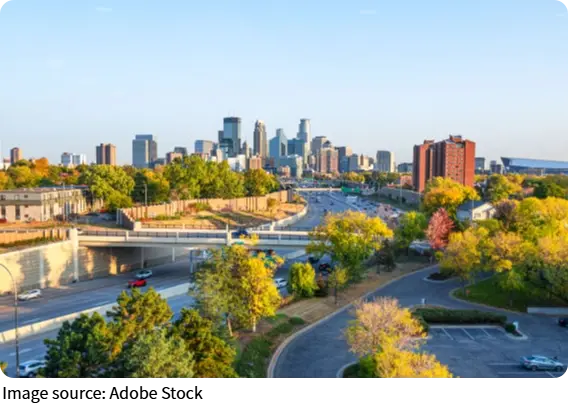
Summer offers long daylight hours and easy access to hiking, boating, and scenic overlooks. Autumn is especially popular for the North Shore and Bluff Country because forests turn vibrant shades of red, orange, and yellow. Winter creates a completely different experience, with snow-covered forests and frozen lakes, but drivers should be comfortable with changing road conditions.
Minnesota's best road trips are not simply about reaching the next destination. Which journey would you choose first: a Lake Superior drive, a Mississippi River adventure, or a northern escape into the wilderness?