Reef Recovery Starts Here

Claire
| 08-10-2026
 · Animal team
Coral reefs do not recover simply because some colonies survive bleaching. Long-term recovery depends on those survivors reproducing successfully and producing the next generation.
New research from Ningaloo Reef in Western Australia has now identified the spawning period of two major reef-building coral species for the first time.
Published in Marine Biology, the study provides a valuable baseline for tracking reef resilience after marine heatwaves and for planning restoration programmes that depend on collecting coral eggs and larvae.
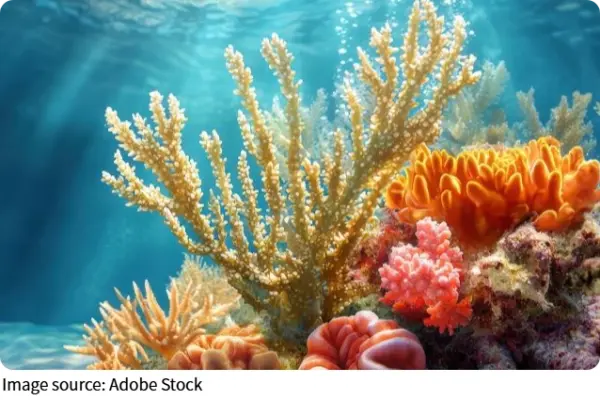
Two Key Species Spawn In Early Autumn
Researchers examined 20 coral colonies from Ningaloo Reef and found reproductive evidence in two important species: Porites lutea and Porites lobata.
Both appeared to be preparing to spawn during Ningaloo’s annual early-autumn mass spawning period. This is the first time researchers have established a reproductive baseline for these species at the reef.
A third species, Porites australiensis, showed no signs of reproduction during either sampling period. That suggests it may spawn at another time of year.
The difference is important because it indicates that even closely related reef-building corals may not follow the same reproductive schedule.
Why Timing Matters So Much
Coral spawning happens within a relatively narrow window, which makes timing critical for scientists. Restoration programmes that collect eggs and larvae need to know when corals are ready to reproduce. Missing that short period can mean waiting another year for the next opportunity.
Accurate timing also makes it possible to organise field teams, prepare equipment and monitor whether spawning changes after extreme heat events.
The new findings therefore give researchers a reference point for future comparisons. If heat stress causes spawning to happen later, become less successful or disappear altogether, scientists will have a clearer idea of how far conditions have shifted.
Ningaloo May Be More Isolated Than Expected
The study also revealed a striking regional difference. Porites corals at Ningaloo appear to reproduce in early autumn, while populations of the same species near Dampier, around 300km farther north, have previously been recorded spawning in late spring and early summer.
That mismatch raises the possibility that the two populations are reproductively isolated despite their geographic proximity.
If so, northern reefs may not be able to replenish Ningaloo effectively after severe coral loss caused by marine heatwaves, cyclones or other disturbances.
This matters because reef recovery often depends partly on larvae arriving from surrounding populations. Different spawning schedules could reduce that natural backup.
Heat Stress Can Affect Future Generations
Marine heatwaves are most often associated with coral bleaching and mortality, but their effects may continue long after surviving colonies regain their colour.
Heat stress can reduce reproductive output, meaning corals may produce fewer eggs and male gametes for years after a major bleaching event.
That makes reproduction one of the most useful indicators of long-term reef health.
A colony that survives physically but struggles to produce offspring may contribute far less to recovery than its appearance suggests.
The new baseline could therefore help researchers determine whether future warming events are affecting not only coral survival but also the reef’s ability to rebuild itself.
Restoration Depends On Better Monitoring
The findings have clear practical value for conservation. If scientists know when key species spawn, they can be ready to collect eggs and larvae at exactly the right time. Those larvae can then be reared and potentially used in projects designed to restore damaged reef areas.
The fact that different Porites species may reproduce at different times also highlights the need for monitoring throughout the year rather than concentrating on one expected spawning season.
This could be especially important for species such as Porites australiensis, whose reproductive timing at Ningaloo remains uncertain.
A Starting Point For Future Research
The study involved only 20 colonies, so it does not yet provide a complete picture of reproductive behaviour across all of Ningaloo Reef.
Future research will need to include more colonies, additional locations and longer observation periods to determine how consistent these patterns are from year to year. Even so, the findings fill an important gap.
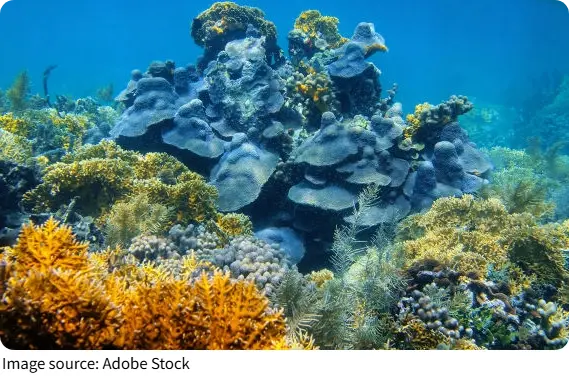
For coral conservation, survival is only the beginning. A reef truly recovers when surviving corals can reproduce successfully, replenish damaged areas and maintain future generations. Knowing exactly when that process begins gives scientists a much stronger foundation for protecting Ningaloo in a warming ocean.