Highway Hazard Response

Ravish Kumar
| 09-10-2026
 · Automobile team
Driving at highway speed demands constant awareness. Fallen objects, loose cargo, stopped vehicles, or road debris can appear with little warning, leaving limited time to assess the situation.
A safe response depends on recognizing the hazard, evaluating available space, and maintaining control of the vehicle.
Understanding these principles helps drivers make informed decisions when road conditions change unexpectedly.
Stay Focused on the Road
An obstacle ahead may prompt an instinctive steering reaction, but abrupt movements can affect vehicle stability and complicate the situation for nearby traffic.
Keep both hands on the steering wheel and look toward the road ahead. Assess the obstacle's position while observing traffic movement and the space available around it. Maintaining a broad view of the road helps you anticipate changes in traffic flow.

Evaluate Your Options
The appropriate response depends on the obstacle's size, distance, and location, along with the movement of surrounding vehicles.
Check your mirrors and assess adjacent lanes before considering a change of direction. A small object may leave enough room to pass, while a larger obstruction may require a different approach. Never assume a lane is clear without checking for approaching vehicles and blind spots.
Choose your response according to the space available and the surrounding traffic rather than reacting automatically.
Control Your Speed
When sufficient distance is available, apply the brakes smoothly to reduce speed and gain more time to assess the road. Remain aware of traffic behind you and avoid abrupt control inputs whenever conditions permit.
Anti-lock braking systems (ABS) help prevent the wheels from locking during hard braking, supporting steering control. However, this technology cannot guarantee that the vehicle will stop before reaching an obstacle.
Maintaining a suitable following distance and adapting speed to traffic and road conditions provide valuable time to respond.
Steer With Precision
Changing lanes may be appropriate when another path is clearly available. Check your mirrors and blind spots, signal your intention, and make a smooth steering adjustment when surrounding traffic permits.
Avoid sharp steering inputs at highway speed, as they can affect vehicle stability. If nearby traffic leaves insufficient room for a safe lane change, reducing speed within your current lane may be the more suitable option.
Every maneuver should account for the vehicle's position, available space, and surrounding traffic.
Monitor the Vehicle Afterward
Once past the obstacle, continue observing the road and nearby vehicles before resuming your previous speed. Other drivers may still be adjusting their positions or speed.
Pay attention to unusual vibrations, unfamiliar sounds, changes in steering, or altered braking behavior. These signs may indicate that the vehicle needs inspection. If its condition requires attention, move to a suitable safe location when possible and arrange assistance as needed.
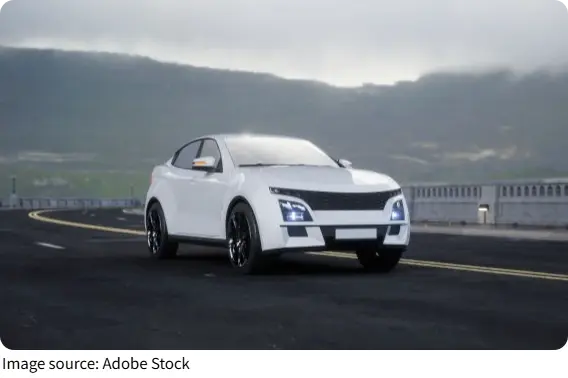
Maintaining Control on the Highway
Effective hazard response begins before an obstacle appears. Maintain a suitable following distance, scan the road ahead, and adjust your speed to changing conditions.
The priority is to preserve vehicle control while selecting the safest available response. Consistent awareness and measured decisions help drivers navigate unexpected highway obstacles with greater confidence.