Smarter Grids Save Billions

Sofia Alvarez
| 09-10-2026
 · Automobile team
Europe’s move toward electric vehicles requires more than producing cleaner cars. The electricity network must also be ready to supply power to millions of vehicles without creating unnecessary costs or placing excessive pressure on existing infrastructure.
Better planning, digital technology, and more flexible electricity use could help Europe meet this challenge while reducing the need for expensive grid upgrades.

Why Electricity Networks Need to Evolve
As electric vehicle adoption grows, demand for charging is expected to increase. Homes, workplaces, public charging stations, and transport hubs will all need reliable access to electricity. If these demands are not managed carefully, some parts of the electricity network may require additional capacity to prevent congestion and maintain dependable service.
Traditional grid planning often focuses on expanding physical infrastructure to accommodate higher electricity demand. Although new cables, transformers, and other equipment remain necessary in certain locations, building additional capacity everywhere can be costly and inefficient.
A smarter approach considers how existing resources can be used more effectively. By improving the way electricity demand is monitored, distributed, and scheduled, network operators may be able to accommodate more electric vehicles before investing in extensive physical expansion.
The Potential for €10.6 Billion in Savings
The European Automobile Manufacturers’ Association, known as ACEA, has highlighted the possibility that smarter electricity grids could reduce Europe's required grid investment by €10.6 billion while helping accelerate electric mobility.
This potential saving points to an important distinction: meeting future electricity demand does not always require constructing more infrastructure. Some investment can potentially be avoided when available network capacity is used more efficiently. However, the figure should be understood as a potential benefit rather than a guaranteed reduction in spending.
The broader objective is to direct investment toward the places where additional capacity is genuinely needed. Better information about electricity consumption and local network conditions can help planners identify bottlenecks and prioritize improvements instead of relying exclusively on large-scale expansion.
How Smart Grids Make a Difference
Smart grids combine electricity infrastructure with digital monitoring, communication systems, and tools for managing demand. These technologies allow operators to gain a clearer picture of how much electricity is being used and where extra capacity may be required.
For example, charging demand can vary significantly throughout the day. If many drivers plug in their vehicles at the same time, local electricity demand may rise sharply. A coordinated charging system can help distribute that demand across a longer period, provided drivers have sufficient time to charge before their next journey.
Smart charging can also help match electricity use with periods when network capacity is available. Instead of treating every charging session as an immediate demand, digital systems can schedule charging according to practical needs and local conditions.
Making Electric Vehicle Charging More Flexible
Flexibility is particularly important because drivers have different routines and charging requirements. A vehicle parked overnight may have several hours available for charging, while a driver stopping briefly at a public charging station may need power immediately.
Effective planning must account for these differences. Smart charging systems can prioritize urgent requirements while shifting less time-sensitive charging to more suitable periods. Clear pricing signals and convenient digital controls can encourage participation without making everyday charging unnecessarily complicated.
Vehicle-to-grid technology offers another possible source of flexibility. Compatible electric vehicles can potentially send electricity back to the network when needed, using their batteries as temporary energy resources. However, this approach depends on suitable vehicles, charging equipment, technical standards, and arrangements that make participation worthwhile for drivers.
Planning Ahead for Reliable Growth
Smarter networks cannot eliminate every need for new investment. Rapidly growing communities, heavily used charging locations, and areas with limited existing capacity may still require additional cables, substations, or transformers. Digital management works best when combined with realistic long-term infrastructure planning.
Coordination is therefore essential. Grid operators, charging providers, vehicle manufacturers, and public authorities need to share relevant information and establish compatible systems. Accurate forecasts of charging demand can help determine where upgrades are urgent and where flexible demand management could provide more time.
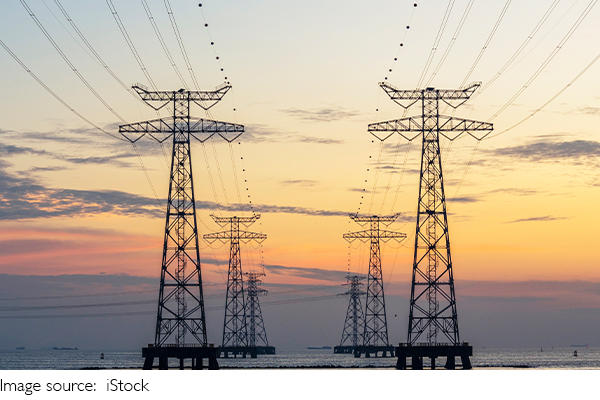
The potential €10.6 billion in investment savings highlighted by ACEA illustrates why better network management deserves attention alongside physical expansion. By combining digital technology, flexible charging, and targeted upgrades, Europe can work toward a more efficient electricity system while making electric vehicle ownership easier to support at scale.