Tires for Rainy Roads!

Rafael
| 10-10-2026
 · Automobile team
Driving in the rain can change how a vehicle responds within seconds. Water reduces the contact between tires and the road, making braking and steering more challenging, particularly when water collects on the pavement.
Choosing suitable tires can help drivers maintain better control in these conditions. However, not every tire performs equally well in wet weather, and the best choice depends on factors such as tread design, rubber composition, vehicle type, and driving habits.
Why Wet-Weather Performance Matters
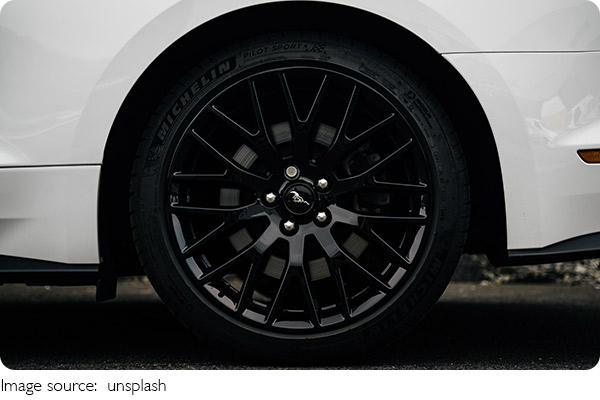
Tires are the only parts of a vehicle designed to maintain direct contact with the road. Their ability to grip the surface affects acceleration, cornering, and stopping distance. When rain covers the pavement, this grip becomes more difficult to maintain.
A tire designed for wet conditions must balance several characteristics. It needs to channel water away from the contact area while maintaining enough friction to respond to steering and braking inputs. Its rubber compound must also remain effective across the temperatures for which the tire was designed.
One major concern is hydroplaning, which happens when a layer of water prevents a tire from maintaining adequate contact with the road. When this occurs, steering response and braking ability can deteriorate significantly. Suitable tires can help reduce the risk, although no tire can eliminate it entirely.
Look for Effective Tread Patterns
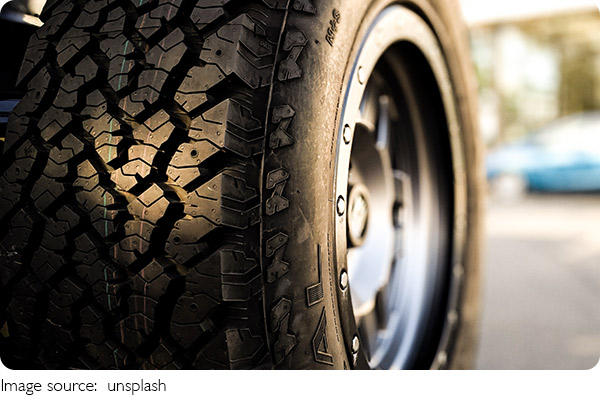
The tread pattern plays an important role in wet-weather performance. Grooves and channels provide pathways for water to move away from the tire's contact area, helping the rubber maintain contact with the pavement. Many road tires use a combination of wide circumferential grooves and smaller channels across the tread.
The arrangement of the tread blocks also matters. A design that works well in dry conditions does not automatically provide the same level of control on wet surfaces. Drivers should therefore consider independent wet-braking and handling evaluations rather than judging a tire by its appearance alone.
Rubber Compounds Make a Difference
Tire manufacturers use different rubber formulations to balance grip, durability, rolling resistance, and ride comfort. The composition can influence how effectively a tire maintains contact with the road, especially when temperatures change. Some tires are developed specifically for warm-weather driving, while others are intended to operate across a wider range of conditions. All-season models aim to provide a practical balance for drivers who encounter different weather throughout the year.
Compare Independent Tire Test Results
Product descriptions and labels can help narrow the options, but independent testing provides a more useful way to compare tires. Organizations such as Consumer Reports evaluate tire performance using controlled tests that examine characteristics such as wet braking and handling.
When reviewing test results, focus on measurements that reflect real driving needs. Wet-braking performance indicates how effectively a tire slows a vehicle on a wet surface, while handling assessments examine how predictably it responds during changes in direction.
Choose the Correct Tire for Your Vehicle
A highly rated tire is not necessarily suitable for every car. The replacement must meet the vehicle manufacturer's requirements for size, load capacity, and speed rating. These specifications help ensure that the tire is appropriate for the vehicle's design and operating demands.
Drivers should check the information in the owner's manual or on the vehicle's tire-information label. If several suitable models are available, compare their wet-weather results alongside their expected service life and overall cost.
It is also important to maintain the tires properly after installation. Correct inflation, regular inspections, and timely replacement help preserve performance. Replacing tires in matching pairs, or all four when appropriate, can also help maintain predictable handling. Follow the vehicle manufacturer's recommendations when deciding which tires to replace.
Driving Habits Still Matter
Even excellent tires cannot compensate for unsafe driving decisions. During heavy rain, reduce speed, increase the following distance, and avoid sudden steering or braking whenever possible. Standing water deserves particular attention. If visibility becomes poor or water covers the road, slowing down and finding a safe place to stop may be the best decision. Cruise control should be avoided on slippery surfaces because it can interfere with a driver's ability to respond promptly to changing traction.
Choosing tires for wet-weather driving requires more than selecting a familiar brand or an attractive tread pattern. Combined with sensible driving habits and regular maintenance, the right tires can help provide more dependable control when rainy conditions make the road more demanding.