Replace Tires in Pairs!

Samir
| 10-10-2026
 · Automobile team
When a car tire becomes worn or damaged, replacing it may seem like a straightforward repair. However, an important question follows: is it acceptable to install just one new tire, or is replacing two a better decision?
The answer depends on the condition of the remaining tires, the vehicle's drivetrain, and the manufacturer's recommendations.

Why Tire Matching Matters
Tires help determine how effectively a vehicle accelerates, turns, and stops. For predictable handling, they should provide reasonably consistent grip and respond similarly to changing road conditions. When one tire is considerably newer than the others, its tread depth and performance characteristics may differ from those of the tires already on the vehicle. This difference can influence how the car behaves during cornering or braking, especially on wet pavement.
Replacing tires in pairs can help maintain a more balanced setup across an axle. However, this does not mean that every tire replacement automatically requires purchasing two new tires. If the remaining tires are relatively new, undamaged, and close in tread depth, replacing a single tire may be possible when the vehicle and tire manufacturer's requirements allow it.
When Replacing Two Tires Makes Sense
Replacing two tires is often worth considering when one tire has become unusable and its partner has substantial wear. Installing a matching pair can reduce differences in tread depth between the left and right sides of the same axle.
This matters because the two tires on an axle contribute to the vehicle's stability. Differences in grip can affect how the car responds when braking or changing direction, particularly when the road is slippery.
For example, if the front tires have been used for a long time and one develops damage that cannot be repaired, fitting two new tires may be more appropriate than combining a new tire with a heavily worn one. The final decision should take account of the remaining tread, tire specifications, and the vehicle manufacturer's guidance.
Whenever possible, choose tires that match in size, construction, and performance category. Matching characteristics help maintain more predictable handling and reduce unnecessary differences between tires.
Why the Rear Tires Deserve Attention
Many drivers assume that the tires with the deepest tread should always go at the front. However, tire-industry guidance commonly recommends placing the better pair at the rear when replacing only two tires on a vehicle that permits this arrangement. The reason involves stability. If the rear tires lose grip before the front tires, the back of the vehicle can slide sideways, making the car more difficult to control.
Better tread depth at the rear can help the vehicle maintain stability on wet roads, reducing the likelihood of the rear end losing traction unexpectedly. This recommendation may apply even to front-wheel-drive vehicles, despite their front tires handling much of the acceleration and steering work.
Special Considerations for All-Wheel Drive
Vehicles with all-wheel drive require additional care because their systems may depend on the tires having closely matched rolling circumferences. Rolling circumference refers to the distance a tire travels in one complete rotation. A significant difference in tread depth between tires can create differences in their effective rolling sizes. Depending on the vehicle's design, this mismatch may place additional strain on components responsible for distributing power between the wheels.
For some all-wheel-drive models, the manufacturer's requirements may call for all four tires to be replaced together if the remaining tires have too much wear. Other vehicles may permit alternatives under specific conditions. Before purchasing a replacement, check the owner's manual or consult an authorized service professional. Some tire shops can also measure tread depth and determine whether the existing tires fall within the manufacturer's permitted limits.
How to Evaluate Your Existing Tires
Before deciding how many tires to replace, inspect the remaining set carefully. Check tread depth across each tire, look for uneven wear, and examine the sidewalls for cracks, cuts, or bulges. Uneven tread wear can indicate incorrect inflation, wheel-alignment problems, or issues with suspension components. Installing new tires without addressing the underlying cause may lead to premature wear again.
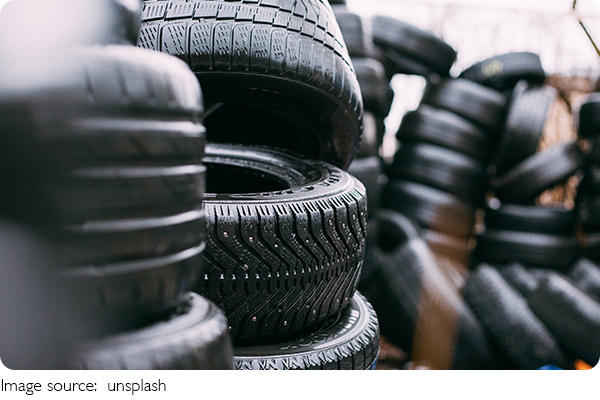
Replacing car tires in pairs can improve consistency and handling when the remaining tire has significant wear. Nevertheless, the right approach depends on tread condition, vehicle design, and manufacturer requirements. The goal is not simply to purchase more tires than necessary. It is to maintain a compatible set that supports reliable braking, predictable handling, and safe performance throughout everyday driving.