Greener Petrol Cars

Declan Kennedy
| 10-10-2026
 · Automobile team
Choosing a car today involves more than comparing prices, comfort, and fuel economy. Environmental impact has also become an important consideration, especially for drivers seeking an affordable vehicle without switching to electric power.
The latest Green NCAP assessments offer an interesting comparison, showing that some petrol cars perform better than others, although electric models achieve higher overall scores in this round.
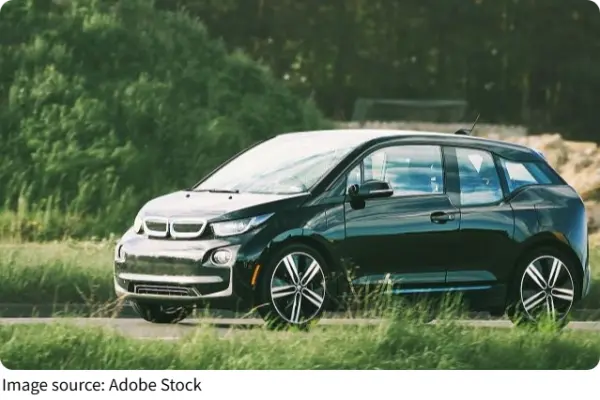
The Renault Clio TCe 115 Techno stood out among the conventional petrol cars tested, earning three-and-a-half stars and an overall sustainability score of 62%. Its results highlight how vehicle weight, engine efficiency, and emissions-control technology can influence environmental performance.
Why the Renault Clio Stood Out
The 2026 Renault Clio TCe 115 Techno achieved its result using a conventional petrol engine without electric assistance. According to Green NCAP, the model combines a relatively lightweight body with a turbocharged three-cylinder engine and direct fuel injection.
Weighing approximately 1,186 kilograms, the Clio requires less energy to move than many heavier vehicles. Vehicle weight is only one factor affecting fuel consumption, but reducing unnecessary mass can help improve efficiency during everyday driving.
The Clio received scores of 6.8 out of 10 for Clean Air, 7.1 for Energy Efficiency, and 4.9 for Greenhouse Gases. These results suggest that the car performs differently across individual environmental categories while maintaining a comparatively strong overall position among conventional petrol models.
How Green NCAP Evaluates Vehicles
Green NCAP assesses vehicles through laboratory measurements and real-world driving tests. Its ratings consider more than the pollution released while driving, examining environmental effects across a vehicle’s life cycle, including manufacturing and energy use.
Three main categories contribute to the assessment. Clean Air measures pollutants that affect air quality. Energy Efficiency evaluates how effectively a vehicle uses energy. Greenhouse Gases considers climate-related emissions across the assessed life cycle.
This wider approach explains why cars with similar fuel consumption can receive different overall ratings. Manufacturing processes, energy sources, vehicle weight, and exhaust-treatment systems all influence environmental performance.
The updated rating methodology incorporates life-cycle analysis across these categories. Therefore, scores from the latest assessment should not be compared directly with results from earlier rating systems that used different methods.
Electric Cars Score Higher
Although the Clio performed well among petrol-powered vehicles, electric models achieved stronger overall results in the same assessment round. The Kia EV4 Earth electric crossover earned five stars and an overall score of 90%. The MAZDA 6e electric saloon followed with four-and-a-half stars and 85%.
These results demonstrate the environmental advantages electric vehicles can offer, particularly when their energy sources and manufacturing processes are considered. However, battery production, vehicle weight, electricity consumption, and the source of charging power also influence their overall environmental footprint.
The Kia EV4's assessment showed that even a highly rated electric vehicle can have areas for improvement. Its real-world energy consumption and performance under certain testing conditions affected individual results, demonstrating the importance of examining each category rather than relying on the powertrain alone.
Other Models Show Different Results
The assessment also included other vehicles with varying environmental scores. The MG MG3 petrol received an overall sustainability score of 51%, while the Kia K4 petrol achieved 46%. Both scored below the Renault Clio despite using conventional petrol engines.
The Volkswagen Tiguan 2.0 TDI, a diesel model without hybrid assistance, earned two-and-a-half stars and an overall score of 48%. Its exhaust-emissions performance was relatively strong, but its life-cycle greenhouse-gas result affected the overall rating.
What the Results Mean for Buyers
For budget-conscious drivers, the findings show that environmental considerations do not begin and end with choosing an electric car. A relatively light vehicle with efficient engineering and effective emissions controls can offer advantages over less efficient alternatives.
The right choice still depends on individual circumstances, including purchase price, typical journey length, fuel or charging access, maintenance costs, and annual mileage. Environmental ratings provide useful information, but practical needs and long-term running costs also matter.
Petrol vehicles continue to produce exhaust emissions, and fuel production adds to their environmental impact. Improved efficiency can reduce these effects, but it cannot eliminate them.
The latest Green NCAP assessments highlight the differences in environmental performance between vehicles. The Renault Clio’s 62% score demonstrates that a well-engineered petrol car can achieve a respectable result, while the Kia EV4 and MAZDA 6e show the potential of electric vehicles to perform better overall.

For buyers, the most useful approach is to compare energy efficiency, air pollutants, and life-cycle greenhouse-gas emissions together. Understanding these factors makes it easier to choose a car that fits both a budget and everyday driving needs while accounting for its environmental impact.