Brush Your Teeth Properly

Priya
| 13-10-2026
 · News team
Proper toothbrushing is essential for preventive dental care. It removes plaque, a bacterial film that forms on teeth and along the gumline.
Brushing twice daily with fluoride toothpaste, cleaning between teeth, and attending regular dental checkups help protect enamel and maintain healthy gums.
Why Proper Toothbrushing Matters
Plaque bacteria produce acids when they interact with sugars from food and drinks. These acids weaken tooth enamel and can lead to cavities. Plaque near the gumline can also cause inflammation.
Fluoride toothpaste strengthens enamel and supports remineralization, helping repair early mineral loss before a cavity develops. Daily cleaning between teeth is equally important because toothbrush bristles cannot reach every space.
How to Brush Your Teeth Properly
The American Dental Association recommends brushing twice daily. Its guidance states, “Brush your teeth twice a day with a fluoride toothpaste for two minutes.”
1. Choose a soft-bristled toothbrush
Select a brush that fits comfortably in your mouth and reaches the back teeth. Manual and powered toothbrushes can both clean effectively. Replace your toothbrush or brush head every three to four months, or sooner if the bristles become frayed.
2. Use fluoride toothpaste
A pea-sized amount is generally appropriate for people aged three years and older. Children younger than three should use a smear approximately the size of a grain of rice. Supervise young children during brushing.
3. Position the brush correctly
Hold the toothbrush at approximately a 45-degree angle toward the gumline. Apply gentle pressure to clean thoroughly without irritating the gums.
4. Clean every tooth surface
Use small, gentle circular movements or short, controlled strokes. Brush the outer, inner, and chewing surfaces of every tooth. For the inner surfaces of the front teeth, hold the brush vertically and use gentle up-and-down strokes.
5. Brush for two minutes
Divide your mouth into sections to ensure thorough coverage. Pay particular attention to the back teeth and gumline.
6. Spit without rinsing
Spit out the toothpaste after brushing without immediately rinsing with water. This helps fluoride remain on the teeth. If you use fluoride mouthwash, consider using it at a different time of day.
Daily Dental Care Habits
Brush twice daily with fluoride toothpaste, ideally in the morning and before bed. Children may need supervision until they can brush effectively on their own.
Clean between your teeth daily using dental floss or a suitable interdental brush. People with sensitive teeth, gum recession, or orthodontic appliances may benefit from specialized cleaning products recommended by a dental professional.
To support dental health, limit frequent consumption of sugary foods and drinks, drink water regularly, and maintain a balanced diet. After consuming acidic foods or drinks, rinse with water and wait approximately 30–60 minutes before brushing.
When to Visit a Dentist
Regular dental examinations help identify early signs of tooth decay and gum problems. The recommended frequency depends on individual needs.
Arrange an appointment if you experience persistent gum bleeding, swelling, tooth sensitivity, or pain when chewing. Severe tooth pain, swelling around the cheeks or jaw, or fever associated with a dental problem requires prompt assessment. Difficulty breathing or rapidly progressing swelling requires emergency medical care.
Frequently Asked Questions
Are powered toothbrushes better than manual toothbrushes?
Both can clean effectively when used correctly. Powered toothbrushes may help some people maintain consistent brushing movements and duration.
Can brushing reverse a cavity?
Fluoride can help remineralize early enamel changes, but an established cavity generally requires professional assessment and may need treatment.
How long should I wait to brush after acidic foods or drinks?
Wait approximately 30–60 minutes after acidic exposure to reduce the risk of enamel wear.
Build a Consistent Brushing Routine
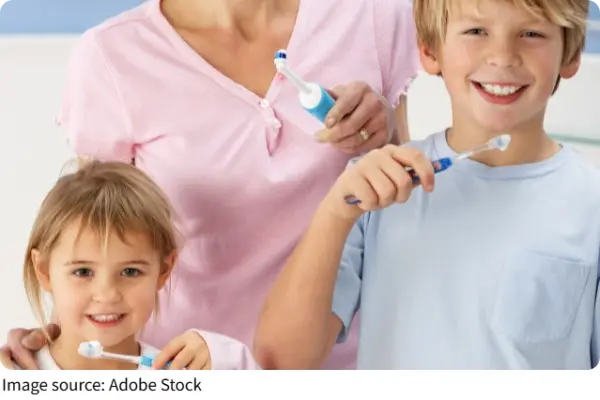
Brush for two minutes twice daily, use fluoride toothpaste, and clean between your teeth every day. Combined with balanced dietary habits and regular dental checkups, these simple practices help protect enamel and support healthy teeth and gums over time.