Conquer Mount Kilimanjaro

Tessa
| 15-10-2026
 · Travel team
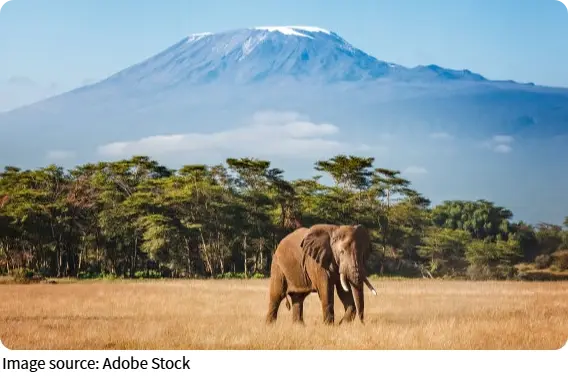
Imagine standing above the clouds as the first sunlight illuminates the vast African landscape. At 5,895 metres, Mount Kilimanjaro in Tanzania offers one of the world's most extraordinary trekking adventures, attracting travellers eager to reach the continent's highest summit.
Unlike many famous mountains, Kilimanjaro can be climbed without technical mountaineering experience. However, reaching Uhuru Peak requires preparation, determination and careful acclimatisation. From tropical rainforest to icy volcanic slopes, every stage reveals a different side of this spectacular mountain.
Which Climbing Route Should You Choose?
Kilimanjaro offers several established trekking routes, each with its own scenery, difficulty and duration.
The Machame Route is popular for its dramatic landscapes and varied terrain. Usually completed in six or seven days, it provides opportunities for gradual acclimatisation and passes through beautiful rainforest and rocky mountain valleys.
Lemosho is another excellent option, particularly for travellers who can dedicate seven or eight days to the climb. Its longer itinerary allows more time to adjust to altitude, while its western approach offers impressive wilderness scenery.
Marangu is the only main route with mountain hut accommodation instead of tents. Although its paths are relatively gradual, shorter itineraries can make acclimatisation more difficult.
For quieter trails, consider Rongai, which approaches the mountain from the north near the Kenyan border.
When Is The Best Time To Climb?
Kilimanjaro can be climbed throughout the year, but weather conditions vary considerably.
January to March generally offers relatively dry conditions, clear views and fewer visitors. Temperatures near the summit can still fall well below freezing.
June to October is another popular period, with relatively stable weather and excellent trekking opportunities. July and August are particularly busy, making early reservations advisable.
April, May and November tend to bring more rainfall, resulting in muddy paths and reduced visibility.
For a balance of favourable conditions and manageable crowds, September is worth considering.
Kilimanjaro
How Much Does Kilimanjaro Cost?
Climbing Kilimanjaro requires a licensed guide and organised support team. Package prices vary according to the route, duration, accommodation and level of service.
Approximate costs per person include:
Budget group trek: €1,050–1,750
Mid-range guided trek: €1,750–3,050
Premium climbing package: €3,050–5,200 or more
International return flights: €700–1,700
Tanzanian visa: €45–90, depending on nationality
Travel insurance with high-altitude coverage: €90–260
Tips for guides and porters: €170–260
For a comfortable seven- or eight-day adventure, a realistic overall budget is approximately €2,800–4,500 per person, including flights and essential additional expenses.
Check what your package includes, particularly park fees, meals, transfers, equipment and accommodation before and after the climb.
How Should You Prepare?
Begin training three to six months before departure. Regular hiking, stair climbing and cardiovascular exercise will help develop the endurance needed for consecutive days on mountain trails.
Practise walking with a backpack and wear your hiking boots beforehand to reduce the risk of blisters.
Pack thermal base layers, waterproof clothing, an insulated jacket, warm gloves, trekking poles and a suitable sleeping bag. Conditions can change dramatically between the humid lower slopes and freezing summit.
Altitude is the greatest challenge. Walk slowly, allow sufficient time to acclimatise and communicate any symptoms to your guide. Severe altitude illness requires immediate attention and descent.
What Makes The Summit So Special?
The final ascent usually begins during the night, with trekkers moving slowly towards the summit under a sky filled with stars.
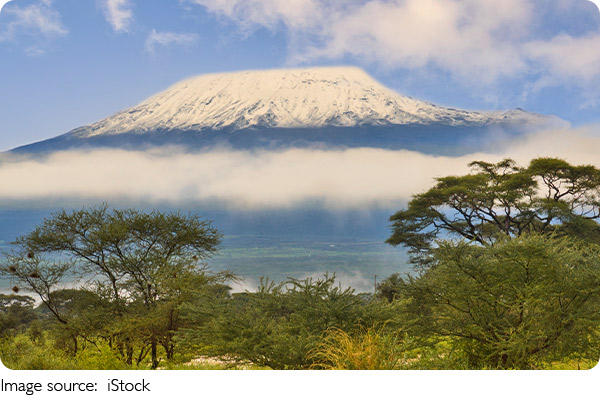
As dawn approaches, the landscape gradually reveals glaciers, volcanic formations and extraordinary views stretching across Tanzania.
Reaching Uhuru Peak is an unforgettable achievement, but the experience extends far beyond the summit. The changing ecosystems, friendships formed along the trail and peaceful mountain scenery make every day memorable.
With thoughtful preparation and a responsible trekking operator, climbing Kilimanjaro can become one of the most rewarding adventures of your life.