Borneo’s Nature Retreat

Kwame Johnson
| 17-10-2026
 · Travel team
A journey through Malaysian Borneo can bring together peaceful island stays, boat trips through rainforest waterways, and encounters with remarkable wildlife.
In Sabah, tourism is also taking on a wider purpose: some resorts and eco-lodges direct resources toward protecting natural habitats and supporting nearby communities. The result is a style of travel that combines comfort with opportunities to understand the environment beyond the usual sightseeing experience.

Discover Sabah’s Natural Diversity
Sabah lies in the northeastern part of Borneo, the world’s third-largest island. Its scenery ranges from tropical rainforest and mangrove waterways to coastal islands and coral reefs. The region supports a rich variety of wildlife, including orangutans, proboscis monkeys, and Borneo pygmy elephants.
Many visitors arrive in Kota Kinabalu before continuing to coastal resorts or inland nature destinations. Traveling between these areas reveals how closely the island’s forests, rivers, and marine environments are connected.
However, natural habitats face pressure from warming seas, plastic pollution, and forest loss. Conservation-focused tourism offers one way to support protection efforts by creating income linked to healthy ecosystems and responsible visitor experiences.
Coral Care on Gaya Island
Gaya Island, near Kota Kinabalu, provides a setting for both coastal relaxation and marine conservation. Gaya Island Resort operates a program that includes caring for rescued sea turtles and supporting coral restoration. Coral reefs provide shelter for numerous marine species, but warmer water can cause coral bleaching. During this process, corals lose the tiny algae that help supply energy and give them much of their color. Prolonged stress can leave reefs vulnerable.
Restoration programs can grow coral fragments in nurseries before transferring them to suitable reef areas. At the resort, visitors may have opportunities to learn about this work and participate in approved activities involving coral fragments and reef structures. Such experiences offer a practical lesson in marine conservation. Rather than simply admiring the water from the shore, travelers can gain a better understanding of the work needed to maintain healthy underwater habitats.
Wildlife Along the Kinabatangan River
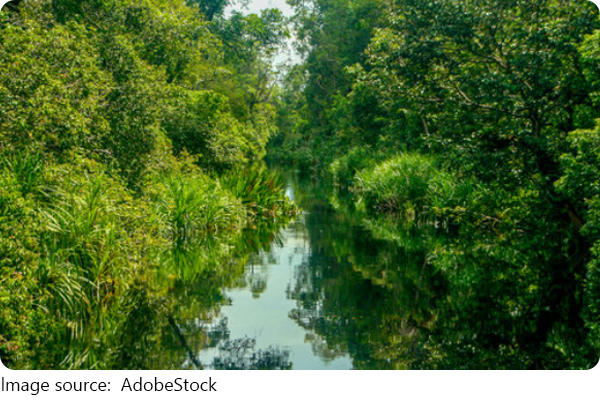
In eastern Sabah, the Kinabatangan River winds through lowland rainforest and floodplain landscapes. The waterway is known for wildlife observation, with boat trips allowing visitors to view the surrounding habitat from a respectful distance.
Proboscis monkeys may rest in trees beside the river, while kingfishers and hornbills can appear along the banks. Orangutans sometimes move through the canopy, and Borneo pygmy elephants may be seen in suitable areas, although sightings are never guaranteed.
Early-morning excursions can offer particularly atmospheric views as mist drifts across the water. Guides help visitors notice movement in the vegetation and understand the surrounding environment. Keeping noise low and following instructions helps reduce disturbance to wildlife.
The river also highlights the importance of connected forest habitats. When natural areas become separated, animals can find it more difficult to move between feeding grounds and other parts of their range.
Eco-Lodges and Local Communities
Sukau Rainforest Lodge, near the Kinabatangan River, illustrates how nature-based accommodation can connect tourism with conservation. The lodge employs people from surrounding communities and supports initiatives associated with river cleanup, habitat restoration, environmental education, and the protection of wildlife corridors.
Community participation is another important part of responsible tourism. When local residents gain employment and other economic opportunities from visitors, protecting nearby forests can provide benefits beyond the immediate travel season.
Make Responsible Choices
Visitors can support conservation by selecting accommodation and tour operators that clearly explain their environmental work. Look for meaningful local involvement, responsible wildlife-viewing practices, and efforts to reduce waste and resource use.
Keep a comfortable distance from animals, avoid feeding them, and follow guidance from trained local guides. Reusable items can help reduce disposable waste, while careful planning can limit unnecessary travel between destinations. A property’s luxury features alone do not prove that it operates sustainably. Travelers should look for specific conservation activities and transparent explanations of how their visits contribute.
Malaysian Borneo offers a distinctive combination of coastal scenery, rainforest exploration, and opportunities to learn about conservation. A thoughtful trip goes beyond comfortable accommodation or memorable wildlife sightings. By choosing responsible operators, respecting natural habitats, and learning from local conservation efforts, visitors can enjoy Sabah while supporting the landscapes that make it remarkable.