Malawi's Wildlife Revival

Hiro
| 19-10-2026
 · Travel team
Malawi is emerging as one of Africa's most interesting destinations for travellers who want to experience wildlife while supporting conservation.
Across this small southeastern African country, environmental projects are helping protect endangered animals, restore natural habitats and create opportunities for local communities.
From the green tea plantations of the Shire Highlands to the extraordinary underwater world of Lake Malawi, these initiatives demonstrate how tourism and conservation can work together.

Tea Plantations That Protect Wildlife
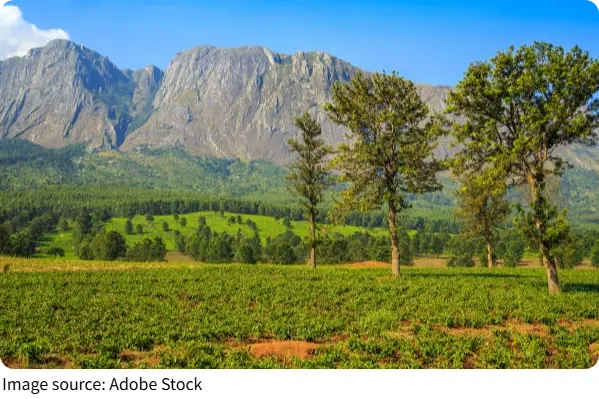
In southern Malawi, the historic Satemwa Tea Estate offers an unusual example of sustainable agriculture. Established in 1923, the estate covers approximately 1,500 hectares, combining tea and coffee production with protected woodland. These forested areas provide habitats for antelopes, porcupines and numerous bird species. Natural corridors also allow wildlife to move between different sections of the estate.
The plantation employs around 1,200 people throughout the year, increasing to approximately 2,000 during the busiest harvesting months. Its community programmes include a primary school attended by around 1,000 local children. Visitors can explore the estate through guided birdwatching excursions, cycling trips and tea tastings.
How A National Park Recovered
Liwonde National Park offers another remarkable conservation success story. Established in 1973, the park experienced serious problems with poaching and conflicts between wildlife and surrounding communities. Since 2015, conservation programmes have helped restore animal populations and improve protection. Black rhinoceroses, lions, cheetahs and African wild dogs have been reintroduced, while conservation teams have removed more than 40,000 wire snares.
More than 250 elephants have also been relocated to other protected areas in Malawi to reduce pressure on Liwonde's ecosystem. Today, visitors can encounter elephants, hippos, antelopes and numerous bird species during guided safaris. Boat excursions along the Shire River offer particularly memorable opportunities to observe wildlife.
Liwonde National Park
Helping Communities Live Alongside Animals
Protecting wildlife requires cooperation with people living near national parks. Around Liwonde, local farmers have begun growing chilli plants along vulnerable boundaries. Their strong scent can help discourage elephants from entering cultivated areas.
Beekeeping projects provide another natural deterrent because elephants tend to avoid bees. Both approaches also create potential sources of income through chilli production and honey sales. Local employment, education programmes and guide training offer additional ways for communities to benefit from conservation. These initiatives help reduce conflicts while encouraging residents to participate in protecting wildlife.
Saving The Life Of Lake Malawi
Lake Malawi is famous for its extraordinary freshwater biodiversity. Its waters support at least 1,000 fish species, including hundreds of colourful cichlids found nowhere else. However, unsustainable fishing threatens this delicate ecosystem.
Some fishing methods use extremely fine nets that capture juvenile fish before they can reproduce. Community conservation projects encourage the use of appropriate nets, helping fish populations recover while supporting long-term livelihoods.
Other initiatives introduce fuel-efficient cooking stoves that require less firewood, reducing pressure on surrounding forests.
Visitors can explore the lake through snorkelling, kayaking and guided boat trips.
Lake Malawi
How Much Does A Visit Cost?
Malawi offers options ranging from basic campsites to luxury safari accommodation.
For preliminary budgeting, travellers can expect approximately:
National park admission: around €25–30 per international adults, with the charging period to be confirmed.
Guided boat safari: approximately €20–25 per person.
Basic camping: approximately €10–25 per person per night.
Comfortable accommodation: around €70–180 per night, depending on location.
Luxury safari lodges: several hundred euros per person per night.
A seven-day trip combining Liwonde National Park, the southern tea-growing region and Lake Malawi could require approximately €900–1,800 per person, excluding international flights.
The total depends heavily on accommodation, private transfers and guided activities.
Why Responsible Tourism Matters
Travellers can support conservation by choosing responsible guides, locally operated accommodation and activities that respect wildlife. Keeping a safe distance from animals, following park regulations and avoiding environmentally damaging activities are equally important.
Malawi's progress shows how conservation can become more effective when local communities benefit directly from protecting their natural surroundings.