Europe's Petrol Decline

Nolan O'Connor
| 20-10-2026
 · Automobile team
Europe’s new-car market is gradually moving away from traditional petrol and diesel engines. Buyers are increasingly choosing hybrid and electric alternatives, while manufacturers are expanding their electrified lineups to meet changing demand.
The shift is becoming clearer in registration figures, which show that conventional powertrains are losing market share even as new-car sales continue across the region. However, petrol and diesel vehicles have not disappeared from the market, and their future will depend on affordability, customer needs, and the availability of suitable alternatives.
Petrol and Diesel Registrations Decline
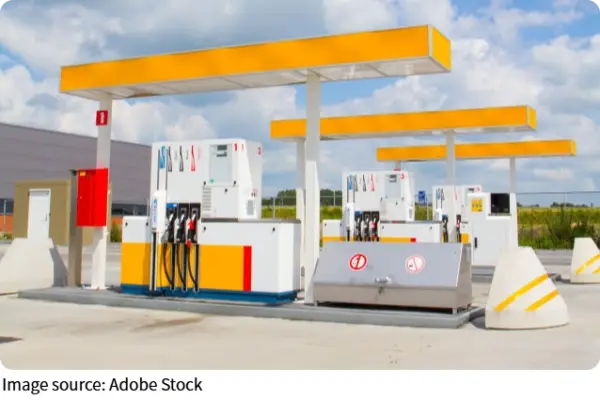
Data published by the European Automobile Manufacturers’ Association (ACEA) shows that registrations of new petrol and diesel passenger cars in the European Union fell considerably during the first half of 2026. From January through June, petrol-car registrations declined by 17.2% compared with the same period in 2025. Diesel registrations also decreased, falling by 16.5%. Together, the two powertrains accounted for 29.7% of new EU car registrations, down from 37.8% a year earlier.
The figures indicate a significant change in buyer preferences. Although conventional engines remain available across many vehicle categories, they represent a smaller share of new purchases than they did previously. This trend also reflects the growing range of alternatives. Drivers can now choose from conventional hybrids, plug-in hybrids, and fully electric vehicles, giving them more options when comparing purchase prices, running costs, and driving habits.
Petrol Cars Experience a Sharp Drop
Petrol-powered cars registered 1,309,153 units in the EU during the first six months of 2026. Their share of the new-car market fell to 22.2%, compared with 28.4% in the first half of 2025.
The decline extended across major European markets. France recorded a 34.2% reduction in petrol registrations, while Spain experienced an 18.5% decrease. Germany and Italy also reported declines of 18.2% and 17.1%, respectively. These figures suggest that petrol cars are facing challenges in several large markets rather than experiencing a slowdown in only one country.
However, lower registrations do not mean that petrol vehicles have become irrelevant. They continue to appeal to buyers who prefer familiar technology, need straightforward refuelling, or cannot easily access charging facilities. Their affordability and suitability for particular journeys may also influence purchasing decisions.
Diesel Continues Its Long-Term Decline
Diesel-powered passenger cars have also lost ground. During the first half of 2026, they represented just 7.5% of new EU car registrations, compared with 9.4% during the corresponding period a year earlier. Diesel has traditionally attracted drivers who cover long distances and value fuel efficiency on extended journeys. It has also maintained a presence in particular vehicle categories where long-range driving and heavy everyday use matter.
Nevertheless, fewer manufacturers are offering diesel versions of passenger cars, and the available model selection has narrowed in many parts of Europe. Buyers who previously considered diesel may now find hybrid alternatives that provide efficient driving without requiring an external charging connection.
Diesel's position also varies by vehicle type. Passenger cars tell only part of the story, since diesel continues to play an important role in certain commercial vehicle categories. The declining figures for passenger cars should therefore not be interpreted as evidence that diesel has disappeared from the wider transport market.
Hybrids Become a Popular Alternative
Hybrid-electric cars have emerged as the leading powertrain choice among new-car buyers in the EU. They accounted for 37.3% of registrations during the first half of 2026, making them the largest category by market share. One reason for their appeal is convenience. Conventional hybrids combine a combustion engine with an electric motor and battery, allowing the systems to work together without requiring drivers to plug the vehicle into an external charger
Electric Cars Gain More Market Share
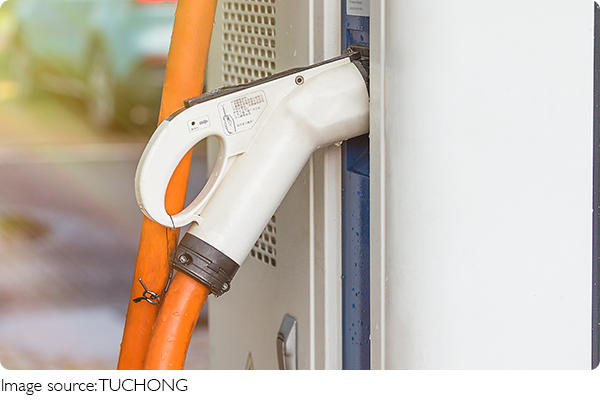
Battery-electric vehicles continued to strengthen their position, reaching 20.7% of new EU car registrations in the first half of 2026. That was an increase from 15.6% during the same period in 2025. The result points to growing interest in fully electric driving as more models become available. Purchase incentives in some markets and a broader selection of vehicles have also supported demand.
Even so, electric-car adoption differs between countries and customer groups. Purchase prices, charging access, driving distance, and local conditions can all influence whether a fully electric model is practical for an individual buyer.
Petrol and diesel cars are losing market share in Europe as hybrids and electric vehicles attract more buyers. The first-half figures for 2026 show that this is a measurable market shift, not simply a change in the types of vehicles manufacturers promote. The direction is clear, but the pace of change will depend on affordability, practical vehicle choices, and how well each powertrain meets everyday needs.