Zermatters Travel Guide

Kai
| 23-10-2026
 · Travel team
Hello, and welcome. Zermatt sits at the end of a valley in the Swiss Alps, and the first thing to know is that no regular cars drive into the village center.
You park at Täsch, about 6 kilometers down the road, and ride the shuttle train the last stretch. That single rule shapes everything about how you plan a visit, so it's worth building your trip around it instead of fighting it.
Getting There Without a Car
Most travelers arrive by train through Visp, where the narrow-gauge line branches up the valley to Zermatt. The ride from Visp takes roughly an hour and passes through Täsch before the final climb. If you drive, leave the car in the covered garage at Täsch and buy a shuttle ticket, which runs frequently and costs a few dollars per person each way.
Once you're in the village, you walk. Electric taxis and small buses handle luggage and the outer edges, but the center is compact enough that your feet do the work.
What You'll Actually Spend
Zermatt is not a budget stop, and you should know the numbers before you book. A mid-range hotel room in summer often runs $200 to $350 a night, and winter rates climb higher during peak weeks. The Gornergrat railway, the classic cogwheel train up to the viewpoint, costs around $120 for a round trip. Lift passes for the wider ski and hiking network run well above $100 a day in winter.
Budget travelers can trim costs by staying in Täsch and commuting, or by booking hostels and guesthouses on the village outskirts.
Zermatt
The Views Worth Paying For
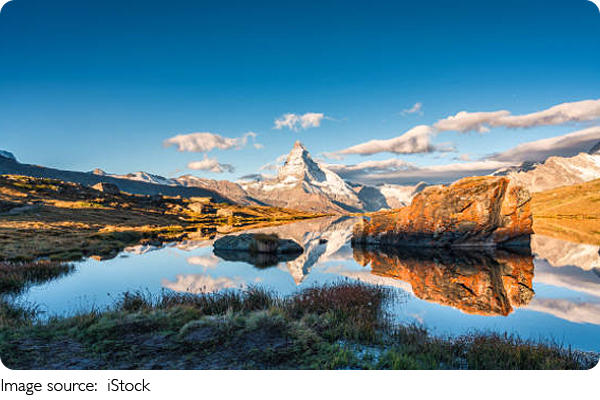
The Matterhorn dominates everything, but the best way to see it isn't from the village square. Take the Gornergrat train up to 3,089 meters and you get a wide panorama that includes the Matterhorn plus Monte Rosa and the Gorner glacier. The other strong option is the Klein Matterhorn cable car, which climbs to 3,883 meters and puts you on a glacier with a view across the border into Italy. Both are weather-dependent, so check the mountain webcams before you commit your money.
Timing Your Visit Right
Summer, roughly July through September, brings open hiking trails and warm valley days, though afternoon storms roll in often enough that you should start walks early. Winter is ski season, and the lifts connect to a large network that crosses into Italy. The shoulder weeks in late spring and late autumn are quiet and cheaper, but many high-altitude lifts close. Book accommodation well ahead for Christmas, New Year, and the February school holidays, since the village fills up fast.
A Few Practical Habits
Pack layers even in midsummer, because the temperature drops sharply once you're above 3,000 meters. Buy your rail and lift tickets at the station or through your hotel, since many hotels issue a guest card that covers local buses. And keep cash or a working card handy for the smaller mountain huts, which don't always take every payment method. Above all, give yourself a spare day. Clouds can close the high viewpoints for a morning and clear by lunch, so a flexible schedule saves you from missing the best part.

Zermatt rewards the traveler who plans the logistics first and leaves room for the mountain to decide the rest. Sort out the Täsch shuttle, set a realistic daily budget, and keep one morning free for a view that might not show up on schedule. Do that, and the village does the hard work for you.