Valle de la Luna Guide

Hana
| 23-10-2026
 · Travel team
Hello, everyone. You've probably seen the photos of Valle de la Luna, the ones with orange rock spires against a deep blue sky, and assumed they were edited.
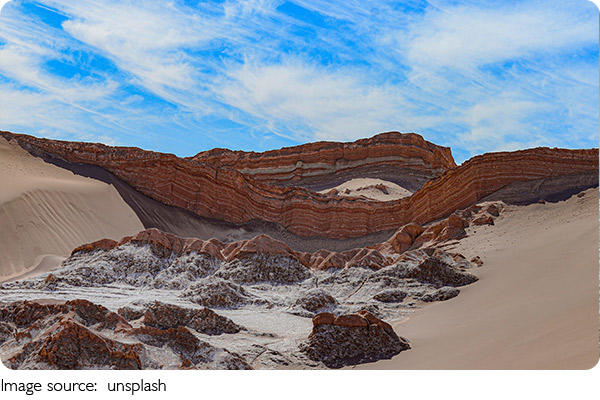
They aren't. This corner of the Atacama Desert, about 13 kilometers west of San Pedro de Atacama, really does look like that, and the name comes from the ridges, dry lake beds, and salt formations that resemble a lunar surface.
Why the landscape holds up
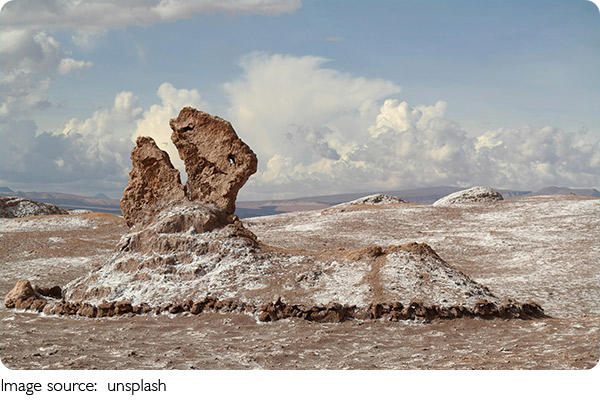
The park sits inside the Cordillera de la Sal, a salt mountain range that's been folded and eroded for millions of years. You get three distinct zones in one visit: the Duna Mayor, a giant sand dune you can climb for the classic panorama; the Tres Marías, three stone pillars standing in a row; and the Caverna de Sal, a salt cave you can walk through with a guide.
That variety is what separates it from a single-viewpoint stop. You're moving through genuinely different terrain within a couple of hours.
When the light does the work
Afternoon entry is the move. The park opens in the morning, but the light between roughly 4pm and sunset turns the rock faces red and gold, and the shadows stretch long across the valley floor. Sunset is the busiest slot, and tours from San Pedro fill up fast in high season, so book a day or two ahead. If you want fewer people, aim for the first morning entry instead. The colors are flatter, but you'll have the Tres Marías almost to yourself.
Valley of the Moon
Getting in and around
Most visitors join a guided tour from San Pedro de Atacama, and that's the practical choice. Park entry runs about 3,000 to 5,000 Chilean pesos (roughly 3 to 6 USD) depending on the sector, and a half-day tour with transport typically costs 20,000 to 35,000 pesos, around 20 to 40 USD.
You can drive yourself, but the access road is unpaved and the park limits entry numbers, so tours handle the logistics. Bring layers. The desert is hot at midday and genuinely cold once the sun drops.
What to watch for on the trail
The Duna Mayor climb takes about 20 to 30 minutes at altitude, and the park sits around 2,500 meters above sea level, so pace yourself. Wear closed shoes with grip, since the salt crust crumbles underfoot. And carry water, at least a liter per person. The dry air hides how much you're sweating.
Before you commit
Check the park schedule before you go, because sectors open and close on rotating maintenance cycles, and some areas are sometimes closed to visitors entirely. A guide will know the current status. Also, don't plan Valle de la Luna and a high-altitude trip like the El Tatio geysers on the same day. You'll be tired, and the altitude stacks up.
The single thing worth remembering: Valle de la Luna rewards timing more than effort. Go for the late-afternoon light, book your tour a day ahead, and let the landscape do the rest. It's a place you'll want to see twice.