AI Takes Hollywood!

Adrian
| 21-10-2026
 · Movie team
Artificial intelligence is becoming an increasingly visible part of filmmaking, offering new ways to create digital characters, build visual settings, and produce moving images.
Companies such as Particle 6, Higgsfield, and Runway are developing different approaches to this technology, from AI-generated films to tools that support established production methods. Their progress raises an important question for the entertainment industry: how can these tools expand creative possibilities while preserving the human judgment that makes stories meaningful?

Particle 6 Explores AI Characters
Particle 6, a London-based production company, has drawn attention through its development of Tilly Norwood, a computer-generated performer designed for AI-based productions. The project illustrates how digital characters could become part of stories without being conventional human performers.
The company has also announced Misaligned, a comedy-drama planned around the fictional digital character. Its concept combines AI technology with the work of experienced writers, directors, editors, and other production professionals.
Rather than presenting the project as a replacement for every traditional filmmaking role, Particle 6 has described a hybrid approach in which human expertise remains important. The production is intended to demonstrate how established creative skills can work alongside emerging tools.
The project also highlights questions that the industry must address as synthetic performers become more sophisticated. Audiences and creative professionals may want clarity about how digital characters are developed, what material informs their appearance, and how the people contributing to such productions are credited and compensated.
Higgsfield Pushes AI Film Production
Higgsfield has taken a different route by developing technology for generating video and supporting filmmaking workflows. Its tools aim to help creators produce cinematic-looking sequences through AI-assisted processes, making certain visual techniques more accessible.
Higgsfield's work suggests that AI can support more than isolated visual effects. A production may use it across several stages, including creating environments, designing characters, and developing footage. However, generating individual scenes is not the same as producing a satisfying film. Narrative structure, continuity, pacing, and emotional engagement remain important challenges.
Runway Supports Creative Workflows
Runway has focused on AI tools that help creators generate and modify video. Its technology gives filmmakers and other visual storytellers additional ways to develop scenes, test ideas, and build material that might otherwise require more time or resources.
Such tools may be useful during early planning, when a director wants to test the appearance of a location or communicate a visual concept to collaborators. They can also support experimental projects where traditional production methods would be difficult or expensive to organize.
The benefits depend on the task. AI-generated footage may require repeated adjustments to maintain a character's appearance, preserve movement between shots, and match the intended visual style. Human review remains essential when a sequence must fit a specific story or meet professional standards.
Access Is Growing, but Quality Still Matters
One of the strongest arguments for AI filmmaking is that it may lower some barriers to visual storytelling. Independent creators and small teams could test ambitious ideas without arranging every location, set, or visual effect through conventional production methods.
That does not mean filmmaking automatically becomes simple or inexpensive. High-quality results still require planning, editing, sound design, and careful decisions about what belongs in the finished work. Generating footage can also involve considerable experimentation before a usable result emerges.
Human Skills Remain Central
As AI becomes more common in production, creative professionals will need to decide where it offers genuine value. Writers may use it to test visual ideas, while editors could experiment with alternative sequences. Directors still need to determine what a scene should communicate and whether each element supports the intended experience.
Particle 6, Higgsfield, and Runway represent different paths toward AI-assisted filmmaking. Their projects demonstrate growing interest in digital performers, longer AI-generated productions, and tools that support individual stages of creative work.
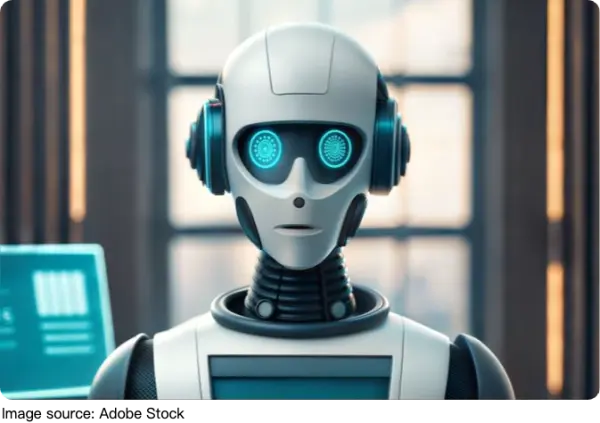
The technology is advancing, but its long-term place in entertainment will depend on more than technical capability. Strong storytelling, responsible production practices, and audience interest will help determine which approaches endure. The most useful future may be one in which AI expands what filmmakers can attempt while human creativity continues to guide the final result.