The Quiet Lofoten

Amit Sharma
| 21-10-2026
 · Travel team
Welcome back. Most people who visit Lofoten head straight for Reine or Svolvaer, snap the postcard shots, and leave.
Flakstad Municipality sits right in the middle of that rush, and plenty of travelers drive through it without stopping. That's a mistake worth correcting.
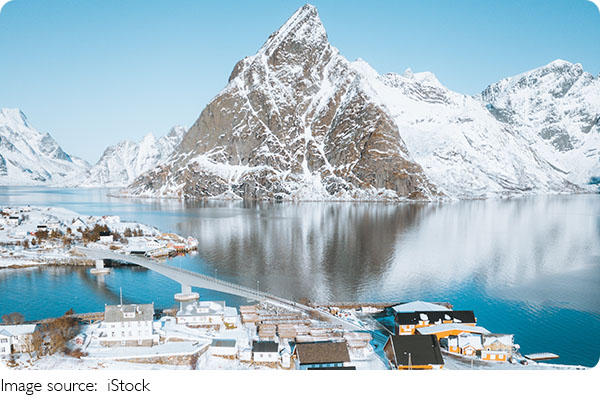
Why this island rewards slowness
Flakstad covers the island of Flakstadoya plus a scatter of smaller islets, connected to the rest of Lofoten by the E10 highway. The whole municipality holds around 1,300 residents, and you'll feel that number the moment you pull off the main road.
Ramberg, its main settlement, has a shop, a fuel station, and a beach that runs for close to a kilometer of pale sand. On a clear day you can see the peaks of Moskenesoya across the water. It's not a place you tick off. It's a place you sit with.
The beach that anchors the trip
Rambergstranda, often just called Ramberg Beach, is the reason many people end up staying a night here instead of pushing on. The sand is fine and white, the water shifts between turquoise and deep blue, and the backdrop is a wall of granite peaks. Surfers show up for the cold-water swell, and you'll see them in wetsuits from spring through autumn. Walk to the northern end and you'll usually lose the crowd entirely.
Flakstad Municipality
Red cabins and a wooden place of worship
Flakstad Chapel sits near the shore a short drive from Ramberg, a red wooden building that dates to the 1780s. It's small, it's quiet, and the setting alone justifies the stop. The other fixture of the landscape is the rorbu, the traditional fisherman's cabin painted deep red and perched on stilts over the water.
You can rent these for a night or two, and doing so changes the trip. Cooking your own meal in a cabin kitchen while the light shifts outside at midnight is the actual Lofoten experience for a lot of visitors.
Getting there and getting around
The E10 is the spine of Lofoten and runs right through Flakstad, so if you're driving from the Leknes airport, you'll reach Ramberg in roughly 20 minutes. Buses run along the same road, though departures are limited, especially on weekends, so check the schedule before you commit. A rental car gives you the freedom to chase the light, which matters here because the weather turns fast. Fuel up in Leknes or Ramberg before heading further west toward Reine.
What it costs and when to go
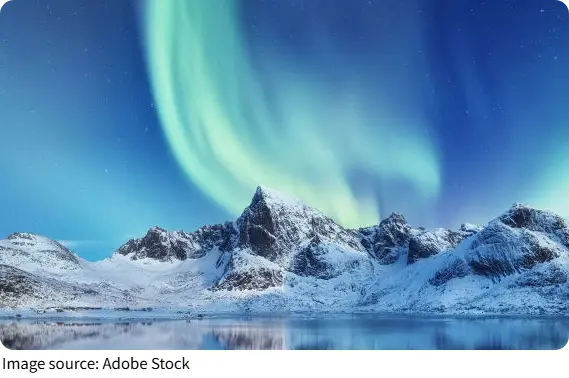
A basic rorbu cabin runs around $150 to $250 per night in summer, and prices drop noticeably outside July and August. Camping at one of the local sites costs far less, often under $30 per person. Summer brings the midnight sun and the crowds. Late September gives you autumn colors, northern lights potential, and far more space on the beach. Winter is quiet and dramatic, but you'll need to plan transport carefully because some services thin out.
A practical tip before you book
Book accommodation well ahead if you're traveling in July, because Flakstad's small inventory fills up fast. And pack layers regardless of the season. The temperature can sit near 50°F in summer and the wind off the Norwegian Sea makes it feel colder. A rain shell and wool base layer will do more for your trip than any camera upgrade.
Flakstad won't give you the biggest names in Lofoten, and that's precisely its appeal. Next time you're planning a Lofoten drive, build in one extra night here and see what the quiet side does for you.