Visiting Uluru: What to Know

Simone
| 22-10-2026
 · Travel team
Welcome back, everyone. Uluru looks simple from a distance, a single red shape on a flat plain, but the visit rewards planning more than most people expect.
You are not just driving up to a rock and taking a photo. There's a cultural landscape around it, a specific best window for light, and a set of rules that shape how you move through the place.
Uluru
Why this rock earns the trip
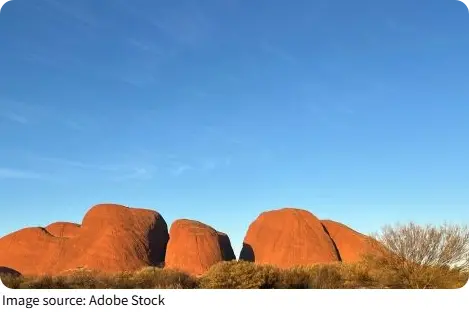
Uluru is a sandstone monolith in the Northern Territory, roughly 348 meters tall and about 9.4 kilometers around the base. What surprises first-timers is the scale of the walk. The full base trail takes around three to four hours at an easy pace, and it passes waterholes, rock art, and caves that most photos never show. You'll also notice the color shift through the day. Midday it reads flat orange. Late afternoon it turns deep red, and that's the window most photographers plan around.
Getting there and around
The closest airport is Connellan, about 15 minutes from the resort area, with direct flights from Sydney, Melbourne, and Brisbane. From Alice Springs it's roughly a 450 kilometer drive on sealed road, around four and a half hours. Once you're in Yulara, the shuttle bus connects the resorts, the cultural centre, and the viewing areas, so you can skip a rental car if you're staying close. Book the shuttle with your accommodation, since seats fill in peak season.
Timing your visit right
May through September is the coolest stretch, with daytime highs around 20 to 25 degrees Celsius and cold nights that can dip near freezing. October to March gets hot, and summer days regularly push past 35 degrees Celsius. That heat isn't a minor detail. Some walking tracks close when the temperature climbs, so early morning starts matter. Sunrise and sunset viewing areas fill up, and the parking at Talinguru Nyakunytjaku is the one to aim for if you want the wide view.
What it costs and how to book
Park entry requires a pass, and the standard three-day vehicle pass runs about 25 USD. Guided base walks and cultural tours typically start around 100 USD per person and climb from there. Resort rooms in Yulara run roughly 200 to 400 USD a night in high season, so booking several months ahead is the practical move. Campground sites are cheaper and go fast. Check the park's own site for current entry rules, since access around the base has changed over the years and cultural guidance shapes where visitors can go.
Food and dining prices
Dining options near Uluru are mostly concentrated in the Yulara resort area, so planning meals is part of the trip. A casual café lunch or bakery snack typically costs around US$10–$20 per person. For a sit-down dinner at one of the resort restaurants, expect to pay roughly US$25–$45 for a main course. If you prefer to self-cater, the local supermarket in Yulara is a practical option: basic supplies for a day of hiking (bread, cheese, fruit, nuts, and snacks) generally cost around US$15–$25 per person. Since options outside the resort are very limited, it is a good idea to buy groceries before heading out for sunrise or sunset viewing. Carry plenty of water, as prices for bottled water can be high in remote areas.
Practical tips worth knowing
Carry more water than feels reasonable, at least three liters per person for a base walk, and fly nets for the bush flies in the warmer months. Wear closed shoes, not sandals, because the trail surface is uneven and rocky in sections. And give yourself a second day. One sunrise, one sunset, and a slow walk with a guide beats trying to compress everything into a single afternoon.
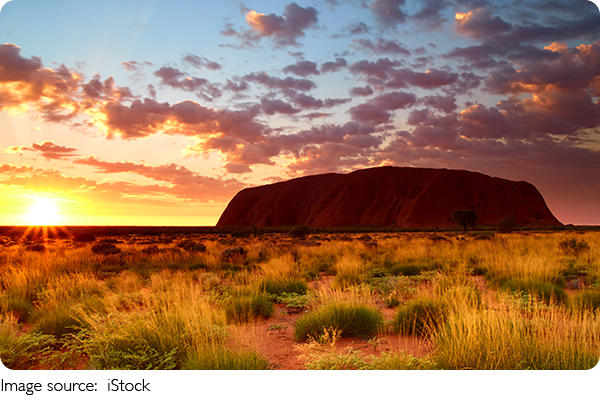
The takeaway is simple: treat Uluru as a two or three day stop, not a quick photo break. Book your pass and room early, start your walks at first light, and let the place set your pace. You'll get far more out of it than the postcard version ever shows.