Atacama Desert Travel Guide

Owen Murphy
| 21-10-2026
 · Travel team
Hello, and welcome. You probably expect a desert trip to mean heat, sand, and not much else.
The Atacama instead hands you geysers at sunrise, salt flats that stretch past the horizon, and nights so clear you can count stars you never knew existed.
It sits in northern Chile, and it's one of the most unusual landscapes you'll ever walk through.
Why the Atacama stands out
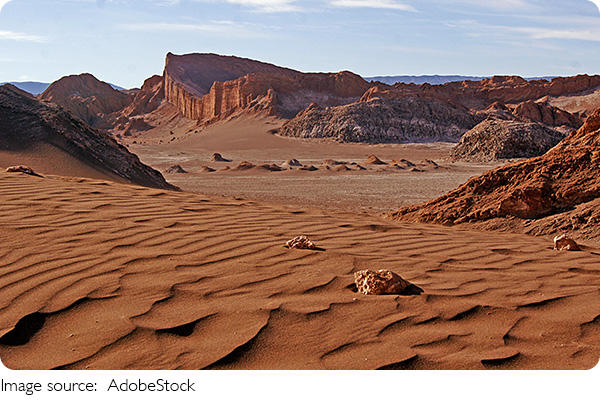
The Atacama is often called the driest desert on Earth, and that dryness shapes everything you see. Some weather stations here have recorded almost no rain for years. That's why the ground looks the way it does: cracked salt crust, red rock, and wide open space with almost no vegetation. You come for the geology and the sky, not for green scenery.
The Valle de la Luna near San Pedro de Atacama is the classic stop, with salt caves and ridgelines that change color as the sun drops. El Tatio geysers sit at around 4,300 meters, and they erupt early in the morning when the air is coldest.
Getting there and around
Most trips start in San Pedro de Atacama, a small town that serves as the base for nearly everything. You'll usually fly into Calama's El Loa airport, then take a bus or shuttle for about an hour and a half to reach San Pedro. Buses run regularly and a shuttle seat costs roughly $15 to $25 per person.
Once you're in town, you don't need a car. Tours pick you up from your hotel, and the main streets are walkable. If you want flexibility, renting a car in Calama is an option, but the roads to some sights are rough and the altitude can catch you off guard.
Atacama Desert
What to see and when
Plan your days around light and altitude. The Valle de la Luna is best in late afternoon, when the shadows get long and the temperature drops. El Tatio geysers need a very early start, often a 4 a.m. departure from San Pedro, because the steam is thickest at dawn. The Salar de Atacama salt flat is where you'll see flamingos and the flat white expanse that looks nothing like the rest of the desert.
For the night sky, the Atacama's clear air makes it one of the top stargazing spots anywhere, and several observatories around San Pedro run evening tours.
Costs and practical planning
Budget around $50 to $80 per day for tours, meals, and local transport once you're in San Pedro. A guided day trip to the Valle de la Luna typically runs $25 to $40, and a geyser tour with breakfast included is closer to $40 to $60. Accommodation ranges from basic hostels at $20 a night to mid-range hotels around $80 to $120.
Book tours a day or two ahead in peak season, since popular time periods fill up. Give yourself two or three days to adjust to the altitude before tackling the highest sights.
Before you go
Altitude is the thing most people underestimate. San Pedro sits at about 2,400 meters, and El Tatio pushes past 4,300. Drink plenty of water, take the first day slow, and don't schedule the geyser tour for your arrival morning. Bring layers, because mornings near the geysers can be close to freezing while afternoons warm up fast.
Sunscreen and a hat aren't optional here; the UV is strong even when the air feels cool. And pack a warm jacket for those early starts, even in summer.
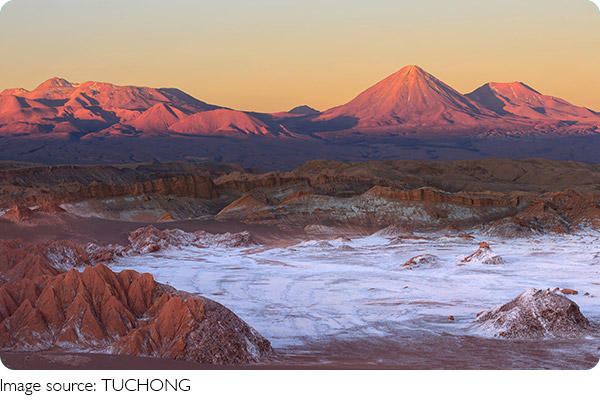
The Atacama rewards you for planning around its extremes rather than fighting them. Go slow on day one, book your tours early, and let the empty landscape do the rest. You'll come back with photos that don't look real.