Fiordland, Unfiltered
Ravish Kumar
| 21-10-2026
 · Travel team
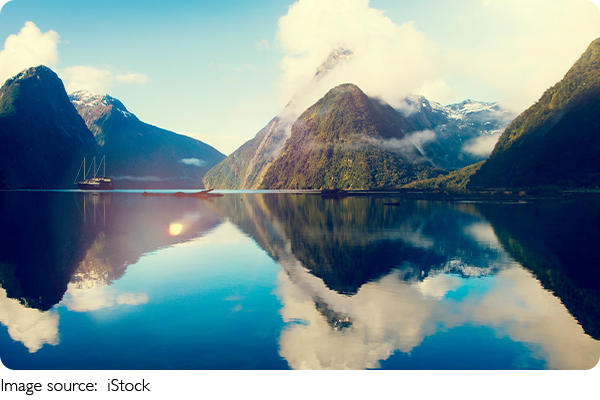
Welcome back. You've probably seen the postcard shot of Mitre Peak reflected in still water and assumed Milford Sound is the whole story.
It isn't. Fiordland National Park covers 1.2 million hectares, making it the largest national park in New Zealand, and the famous fiord is just one narrow slice of it. Most of the park has no road at all, which is exactly what keeps it wild.
Why the roadless part matters
Fiordland sits in the southwest corner of the South Island, and roughly two thirds of it is only reachable on foot or by boat. That's not a marketing line. Take Doubtful Sound: you drive to Manapouri, cross Lake Manapouri by ferry, then take a bus over Wilmot Pass before you even reach the water.
The reward is a fiord three times longer than Milford with a fraction of the traffic. If you want the version of Fiordland that feels genuinely remote, book a Doubtful Sound overnight cruise rather than a day trip, since day tours run about USD $180 to $240 and overnight trips start closer to USD $500 and up.
Getting to Milford without the crush
The road from Te Anau to Milford Sound is about 120 kilometers and takes around two hours without stops, but nobody does it without stops. The Mirror Lakes pull-off, the Chasm walkway, and the Homer Tunnel are all on the way, and the tunnel has traffic lights that hold you for several minutes at a time.
Go early. Coaches from Te Anau leave around 7am and fill the car park by mid-morning, so arriving before 9am gets you a much calmer experience at the foreshore. If you'd rather skip driving, coach-and-cruise packages from Te Anau run around USD $120 to $160 per person.
Fiordland National Park
What to actually see on the water
A Milford cruise gets you close to Stirling Falls and Bowen Falls, both of which drop hundreds of meters, and the boats often nose right into the spray. Keep watching the cliffs for Fiordland crested penguins and, on calm days, the occasional pod of bottlenose dolphins.
On the Doubtful Sound side, the highlights are different: the 22-hour overnight boats anchor in Deep Cove and let you kayak in near silence, and the resident population of fur seals at the Nee Islets is easy to spot from the deck.
Walking the tracks that earn it
The Milford Track is the famous one, a 53.5 kilometer hike over four days that needs booking months ahead through the Great Walks system, and it sells out fast for the October to April season. The Kepler Track is the alternative, a 60 kilometer loop that starts and ends near Te Anau and doesn't require a boat crossing.
Both cost around USD $40. Book the moment reservations open, because the Milford Track's first day openings vanish within minutes.
Timing and weather reality
Fiordland gets around 6,400 millimeters of rain a year at Milford Sound, which makes it one of the wettest places on the planet. That sounds like a warning, but rain is when the place looks its most dramatic: hundreds of temporary waterfalls appear on the cliff faces within an hour of heavy rain.
Pack a proper waterproof shell, not a poncho. Sandflies are relentless near the water from November through March, so bring repellent with DEET and expect to use it.
Before you book anything
Book cruises and hut passes weeks or months in advance, especially between December and February. Fuel up in Te Anau, because there's no petrol station past it on the Milford road. Cell coverage drops out entirely beyond the Te Anau basin, so download offline maps before you leave. And check the road status before setting out in winter, since avalanche closures on the Milford road are common from June through September.
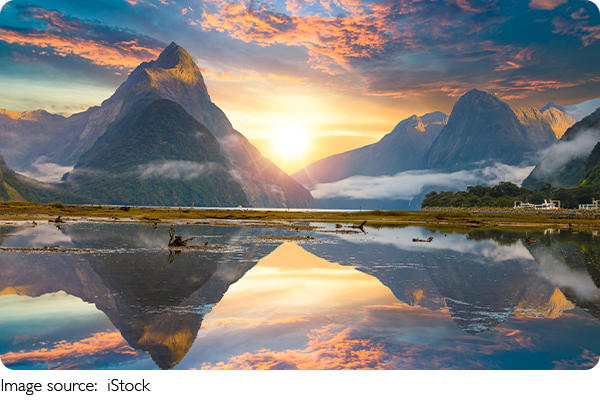
Fiordland rewards the people who plan a little and then let the weather do what it wants. Pick your base in Te Anau, book the boat you actually want rather than the one that fits your schedule, and leave room for a rain day. The fiords don't perform on cue, and that's the point.