Zanzibar's Ocean Treasures

Santosh Jha
| 26-10-2026
 · Travel team
Beyond Zanzibar's white beaches and turquoise waters lies a coastal tradition that many holidaymakers overlook. In the village of Paje, women venture into the shallow Indian Ocean to cultivate seaweed, an important source of income for local families.
Today, traditional farming is evolving as women transform their harvests into soaps and skincare products. Visitors can discover this fascinating industry through guided experiences that combine local culture, environmental awareness and beautiful coastal scenery.

Why Seaweed Farming Matters
Seaweed cultivation has supported Zanzibar's coastal communities for decades, providing employment for thousands of residents, particularly women.
Farming depends on the tides. Workers attach young seaweed to ropes secured beneath the water, allowing it to absorb nutrients naturally.
After approximately six weeks, the mature crop is harvested by hand, cleaned and dried.
The process requires considerable physical effort, with farmers spending hours in shallow water under the tropical sun.
Traditionally, much of the seaweed was exported as raw material, leaving growers with limited earnings.
Women Are Transforming The Industry
Local enterprises are creating opportunities for women to earn more from their harvests.
One example is the Mwani Zanzibar Mamas collective, which combines traditional farming knowledge with modern production techniques.
The women participate in turning locally cultivated seaweed into soaps, skincare preparations and other products.
Processing raw materials locally can create additional employment and help communities retain more of the value generated by their work.
These initiatives also demonstrate how traditional skills can support new economic opportunities while encouraging responsible use of marine resources.
Zanzibar
Visit A Traditional Seaweed Farm
Paje, on Zanzibar's eastern coast, is among the best places to experience seaweed farming.
Guided visits allow travellers to observe cultivation techniques, learn about harvesting and discover how seaweed becomes finished products.
Some excursions include visits to processing facilities, where traditional knowledge is combined with contemporary production methods.
Tours are organised around low tide, when farmers can reach their crops.
Visitors should bring sun protection, a hat and footwear suitable for walking through shallow water.
How Much Does A Tour Cost?
A guided visit to a seaweed farm and processing centre costs approximately €9 per person.
A broader village experience, including traditional seaweed farming and introductions to local life, costs around €18 per person.
More extensive half-day excursions with additional services can cost approximately €85.
Prices depend on the organiser, transport arrangements and included activities.
Travellers should check whether transfers are provided and confirm the tour schedule according to tidal conditions.
Explore More Of Zanzibar
A seaweed farming excursion can easily be combined with other attractions along the eastern coastline.
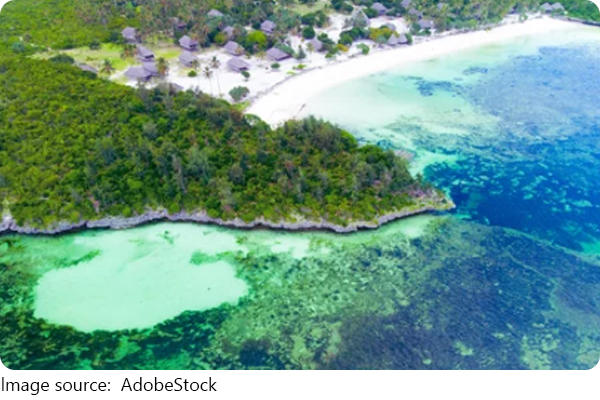
Paje is famous for its long sandy beach and shallow turquoise waters.
Nearby Jambiani offers a quieter atmosphere, traditional fishing communities and opportunities to explore village life.
Visitors can also discover local markets, enjoy traditional Swahili cuisine and purchase handmade crafts.
Allow at least half a day for a seaweed-focused experience, particularly if travelling from another part of the island.
When Is The Best Time To Visit?
June to October generally offers pleasant weather, while January and February are also popular for coastal holidays. However, observing seaweed farming depends more on tidal conditions than the season.
Early morning visits during low tide can be particularly rewarding. For travellers seeking meaningful cultural experiences beyond conventional sightseeing, Zanzibar's seaweed farms offer a fascinating introduction to island life.
Meeting the women behind this traditional industry reveals how environmental knowledge, craftsmanship and community enterprise can create opportunities for future generations.