Lung Function Test Guide

Mariana Silva
| 28-10-2026
 · News team
Breathing enables the lungs to supply oxygen to the bloodstream and remove carbon dioxide.
When changes in breathing occur, healthcare professionals may recommend lung function tests to evaluate airflow, lung capacity, and the efficiency of gas exchange.
These measurements provide valuable information about respiratory health and help determine whether further investigation is necessary. Testing may be recommended for people experiencing persistent coughing, wheezing, shortness of breath, or reduced exercise tolerance. It can also help monitor established respiratory conditions and assess responses to treatment.
What Are Lung Function Tests?
Lung function tests, also known as pulmonary function tests, are assessments that measure different aspects of respiratory performance. Depending on the procedure, they can evaluate how quickly air moves through the airways, how much air the lungs contain, and how efficiently gases pass into the bloodstream.
The American Lung Association explains: “Pulmonary function tests, or PFTs, help show how well your lungs are working.”
These assessments provide objective measurements that healthcare professionals interpret alongside symptoms, medical history, and other clinical findings to guide further evaluation and care.
Common Types of Lung Function Tests
Spirometry
Spirometry measures the volume of air a person exhales and how quickly it leaves the lungs. During the procedure, the patient takes a deep breath and blows forcefully into a mouthpiece connected to a measuring device. The results help clinicians evaluate airflow and investigate conditions such as asthma and chronic obstructive pulmonary disease (COPD).
Lung Volume Testing
Lung volume testing measures the amount of air the lungs can contain, including air that remains after exhalation. These measurements help clinicians identify changes in lung capacity and assess patterns that may indicate restricted lung expansion.
Gas Transfer Testing
Gas transfer testing evaluates how efficiently gases move from the air spaces in the lungs into the bloodstream. The results can help clinicians investigate conditions affecting lung tissue or the exchange of oxygen and carbon dioxide.
Pulse Oximetry
Pulse oximetry estimates blood oxygen saturation using a sensor placed on a finger or another suitable site. This quick, noninvasive measurement provides information about oxygen levels but does not replace comprehensive lung function testing when a more detailed assessment is required.
What Happens During Testing?
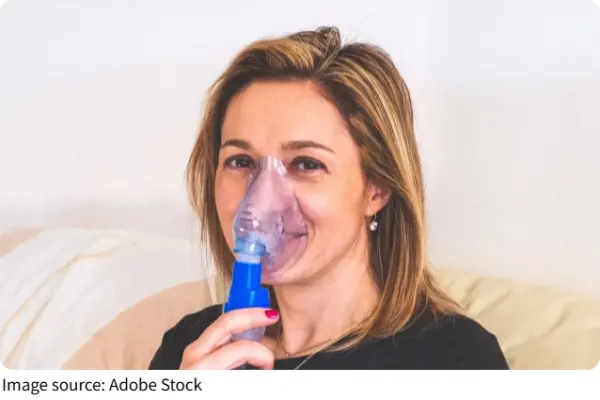
The procedure varies according to the type of assessment. For spirometry, the patient usually sits upright, places their lips around a mouthpiece, inhales deeply, and exhales forcefully according to the healthcare professional's instructions. The maneuver is often repeated to obtain consistent measurements.
In some cases, an inhaled medication is administered before spirometry is repeated. Comparing the results can help clinicians assess whether airflow changes after treatment.
Other procedures may involve specialized equipment or different breathing techniques. Patients should communicate any discomfort or dizziness during testing so the healthcare team can provide appropriate guidance.
How to Prepare for the Assessment
Following the testing facility's instructions helps ensure reliable measurements. Preparation requirements depend on the procedure and the patient's individual circumstances.
Wear comfortable clothing that allows the chest to move freely.
Follow instructions concerning meals and physical activity before the appointment.
Inform the healthcare professional about current medications, relevant medical conditions, and recent illnesses.
Ask whether prescribed inhalers or other treatments require any changes before testing.
Do not change or discontinue prescribed medication without professional guidance. If you have recently undergone surgery or experienced a significant change in your health, contact the testing facility for advice before your appointment.
Understanding Your Results
Healthcare professionals compare test measurements with appropriate reference values, taking factors such as age and height into account. They also consider symptoms, medical history, and other clinical findings when interpreting the results.
Reduced airflow may suggest narrowing of the airways, while lower-than-expected lung volumes can indicate restricted lung expansion or other changes in respiratory function. Altered gas transfer measurements may provide further information about how efficiently gases move between the lungs and bloodstream.
Individual measurements do not always establish a diagnosis on their own. Depending on the findings, additional assessments, treatment adjustments, or specialist evaluation may be recommended.
Comfort and Safety
Most routine lung function tests are noninvasive and generally well tolerated. Forceful breathing maneuvers may occasionally cause temporary coughing, lightheadedness, or tiredness.
Healthcare professionals consider relevant medical circumstances before testing and supervise the procedure as needed. Patients should report any discomfort promptly so the assessment can be paused or adjusted appropriately.
When to Seek Medical Attention
Arrange a medical assessment if you experience persistent shortness of breath, recurring wheezing, a continuing cough, or reduced ability to carry out your usual activities because of breathing difficulties.
Severe or rapidly worsening breathing difficulty, blue or grey lips, confusion, or significant chest pain requires immediate emergency medical attention. Do not wait for a scheduled appointment if these symptoms develop.
Supporting Respiratory Health
Lung function tests help healthcare professionals evaluate breathing, investigate respiratory symptoms, and monitor changes in lung performance. By providing objective measurements of airflow, lung capacity, and gas transfer, these assessments support informed clinical decisions and individualized care.
Timely medical evaluation, appropriate testing, and careful interpretation of results help patients and healthcare professionals make informed decisions about respiratory health and ongoing treatment.