Kedarnath Travel Guide

James Carter
| 30-10-2026
 · Travel team
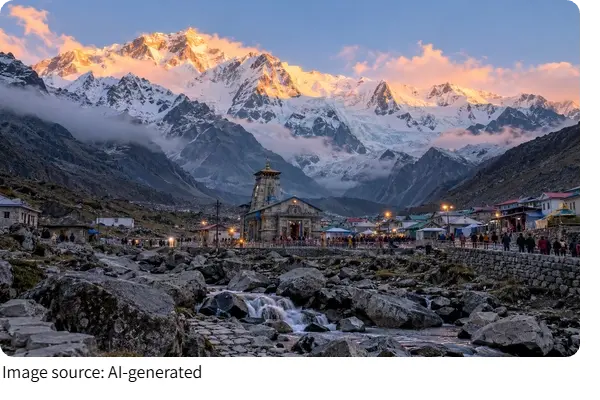
Kedarnath is a mountain destination in Uttarakhand, northern India, known for its ancient Shiva temple and dramatic Himalayan scenery. Surrounded by towering peaks and steep valleys, it attracts both pilgrims and travelers seeking a memorable mountain experience.
Reaching Kedarnath requires careful preparation, particularly because of its high altitude, demanding trekking route, and weather-dependent access.
Whether visiting for spiritual reasons or to experience the mountain landscape, understanding the journey, seasonal conditions, accommodation options, and likely expenses can make the trip safer and more comfortable.
Planning the Journey
Most visitors travel through Rishikesh or Haridwar, which serve as common transport gateways to Uttarakhand's mountain region. From there, the road journey toward Kedarnath can take many hours, depending on traffic, weather, and road conditions.
The usual road approach leads toward Sonprayag, with onward local transport arrangements to Gaurikund, the main starting point for the trek. Mountain roads are winding, so allow extra travel time and consider an overnight stop along the way.
From Gaurikund, the trek to Kedarnath is approximately 16–18 kilometers, depending on the route and current arrangements. The sustained uphill climb can be challenging, especially for visitors unfamiliar with high-altitude hiking.
Travelers should check official pilgrimage registration requirements, route updates, and the availability of authorized transport or assistance services before departure.
Choosing the Best Season
Kedarnath Temple generally opens in spring and closes around October or November, with exact dates announced each year. The main visiting season is therefore limited, and winter access to the temple is not available in the usual way.
May and June are popular months, although crowds can be substantial. July and August bring monsoon rains, increasing the risk of slippery trails, landslides, and travel disruptions.
September and early October can offer cooler weather and clearer mountain views after the main monsoon period, but conditions remain unpredictable. Always check current forecasts, official advisories, and temple opening dates before planning the journey.
Estimated Travel Budget
Travel expenses vary considerably depending on the season, transport arrangements, accommodation availability, and how early reservations are made.
Local road transport may cost approximately US$10–40 or more per person for certain shared journeys, while private vehicles can be significantly more expensive.
Basic accommodation may range from around US$15–50 per night, with more comfortable options sometimes costing US$50–120 or more. Prices can rise during busy pilgrimage periods.
For meals and snacks, a rough allowance of US$8–20 per day may be sufficient for simple dining. These figures are only planning estimates, not verified current rates, and travelers should budget separately for trekking assistance, local transfers, and unexpected delays.
Safety and Preparation
Kedarnath sits at an elevation of approximately 3,580 meters, making altitude an important consideration. Build walking stamina before traveling, pace yourself during the ascent, and allow time for rest.
Be alert for symptoms of altitude sickness, including headache, nausea, dizziness, and unusual fatigue. If symptoms develop, avoid ascending further; worsening symptoms require prompt descent and medical attention.
Pack warm layers, waterproof clothing, sturdy footwear, sunscreen, a hat, and a small first-aid kit. Temperatures can change quickly, and rain may make the trail slippery.
Carry drinking water, essential medication, identification, and a waterproof cover for important belongings. Follow local safety instructions and avoid trekking when authorities advise against it.
Enjoying the Mountain Surroundings
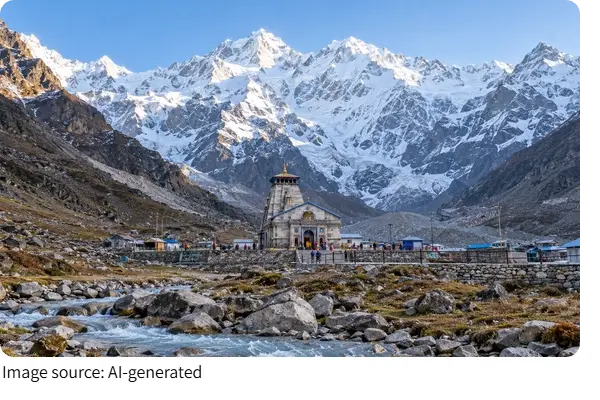
The Himalayan landscape is one of the highlights of visiting Kedarnath. Along the route, travelers may encounter mountain streams, rocky slopes, deep valleys, and impressive views of surrounding peaks when the weather is clear.
The Kedarnath Temple, set against a dramatic mountain backdrop, is the destination's main landmark and an important Hindu pilgrimage site.
Take breaks at designated resting points and enjoy the scenery without leaving marked paths or approaching unstable slopes. Be especially careful near fast-flowing water and steep drop-offs.
Help protect the mountain environment by carrying rubbish to appropriate disposal points and respecting local customs. Traveling at a comfortable pace makes it easier to appreciate both the landscape and the significance of the destination.
Kedarnath offers a memorable combination of Himalayan scenery, cultural heritage, and spiritual significance. However, its high altitude, seasonal access, and demanding trekking route require more preparation than an ordinary sightseeing trip. Plan a flexible itinerary, check current travel advisories, and allow enough time for rest and unexpected delays. With suitable preparation and respect for mountain conditions, a visit to Kedarnath can be a rewarding experience in one of Uttarakhand's most remarkable destinations.
Kedarnath