Getting Around Ecuador!

James Carter
| 30-10-2026
 · Travel team
Ecuador may be relatively compact, but traveling around the country can feel like visiting several different worlds. The Andes, Amazon rainforest, Pacific coastline, and Galápagos Islands each offer distinct landscapes and travel experiences.
Getting between them requires some planning, especially when mountain roads, changing weather, and remote destinations are involved.
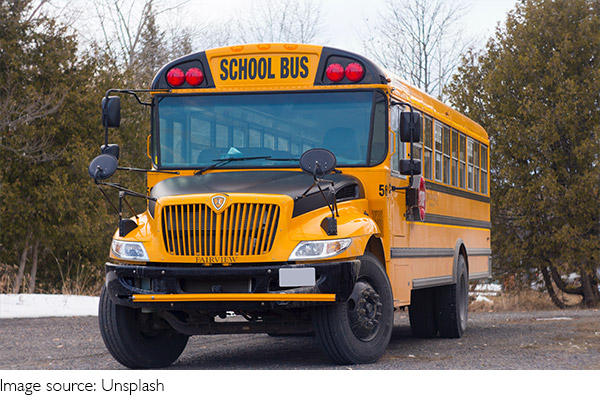
Travel Between Cities by Bus
Buses are one of the most widely used ways to travel across mainland Ecuador. Most major cities and many smaller towns have bus terminals, known locally as terminales terrestres. From these stations, travelers can find services connecting popular destinations such as Quito, Guayaquil, Cuenca, and Baños.
Ecuador
Use Local Buses Around Town
Within Ecuadorian cities, local buses provide an inexpensive way to reach neighborhoods and nearby areas. However, routes and stops may not always be easy for visitors to understand, particularly outside the larger urban centers. Quito has an integrated public transport network that includes conventional buses, trolleybuses, and an underground metro system.
Guayaquil also operates the Metrovía bus rapid transit network, which connects several important areas. Carry small amounts of cash for transport payments where required. During busy periods, vehicles can become crowded, so allow extra time when traveling to appointments or connecting services.
Take a Taxi or Ride-Hailing Service
Taxis are convenient for short journeys, airport transfers, and destinations that are not easily reached by public transport. In larger cities, licensed taxis generally use meters, while fares in smaller towns may be agreed upon before departure.
Ride-hailing services such as Uber are also available in some urban areas. When using an app, check that the vehicle and registration details match the information shown before entering. For street taxis, look for properly identified vehicles and confirm how the fare will be calculated. Asking accommodation staff to arrange a trusted driver can be helpful, particularly when arriving late or traveling somewhere unfamiliar.
Consider Renting a Car
A rental car gives travelers more freedom to visit smaller communities, scenic viewpoints, and destinations outside regular public transport routes. This option can be particularly useful when traveling with several people or carrying outdoor equipment. A standard car may be sufficient for urban journeys and major paved roads, while certain rural routes may require a vehicle with greater ground clearance.
Driving conditions deserve attention. Mountain roads can include sharp bends, steep sections, and changing weather. Check the route before setting out, avoid driving when visibility is poor, and allow more time than a navigation app might suggest.
Fly to Save Time
Domestic flights connect major mainland cities and provide the quickest way to reach the Galápagos Islands. Flying can save considerable travel time compared with long road journeys, although fares are usually higher than bus tickets. Quito and Guayaquil are the principal departure points for many domestic routes. Flights to the Galápagos generally serve Baltra and San Cristóbal, making air travel the usual starting point for visitors to the islands.
Travel by Boat in Selected Regions
Boats are an important part of transportation in areas where rivers and islands shape everyday travel. In parts of the Amazon region, motorized canoes and river transfers connect communities, lodges, and remote destinations. The Galápagos also has passenger boats operating between selected islands. These services are generally slower than flying but can be a more economical option for independent travelers. Sea conditions may affect crossing times, so leave some flexibility between connections.
Estimated Transport Costs
Local city buses: approximately €0.30–€0.90 per journey.
Quito Metro: around €0.40 for a standard single journey.
Intercity buses: approximately €3–€25, depending on distance.
Short taxi journeys: around €1.50–€5, depending on the city and route.
Rental cars: approximately €30–€75 per day, before some additional insurance and fees.
Domestic mainland flights: roughly €130–€220 for a return journey.
Flights to the Galápagos: approximately €260–€450 or more for a return journey.
Inter-island boat transfers: allow roughly €25–€35 per journey.

Getting around Ecuador is manageable when each journey is planned around distance, time, and budget. By comparing transport options, checking schedules, and leaving room for delays, travelers can spend less time worrying about connections and more time enjoying Ecuador's varied landscapes.