Getting Around Thailand!

Sophie
| 02-11-2026
 · Travel team
Thailand has a wide range of transport options, making it possible to travel between busy cities, northern destinations and tropical islands without relying on a private vehicle.
Knowing which transport works best for each journey can help you plan a smoother trip and make the most of your time in the country.
By Plane: Save Time on Long Journeys
Flying is one of the quickest ways to travel between distant parts of Thailand. Domestic routes connect Bangkok with popular destinations such as Chiang Mai, Phuket, Krabi and Koh Samui.
Bangkok has two main airports. Suvarnabhumi handles many international connections, while Don Mueang is an important base for domestic and budget flights. Check your departure airport carefully when booking, especially if you have a connecting journey.
Thailand
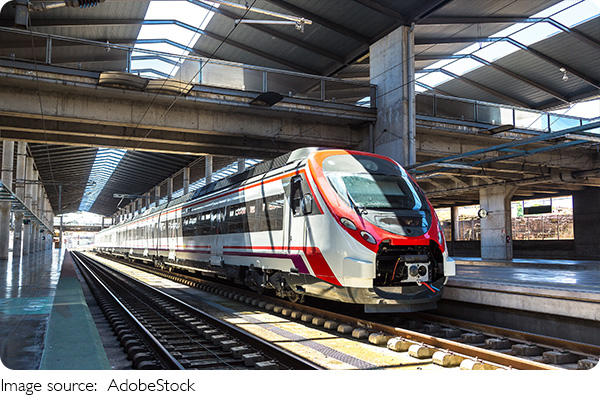
By Train: Enjoy Scenic Mainland Travel
Thailand's railway network connects Bangkok with destinations across the northern, northeastern, eastern and southern regions. Although trains are generally slower than flights, they provide a comfortable way to travel while enjoying views of the countryside.
The Bangkok–Chiang Mai route is particularly popular. Overnight services offer sleeper compartments, allowing passengers to rest during the journey. Krung Thep Aphiwat Central Terminal is the main departure point for several long-distance routes.
By Bus or Minivan: Reach More Destinations
Buses and minivans provide extensive connections throughout Thailand, including places that are not directly served by trains. They are often among the most economical options for travelling between cities and smaller towns. Minivans are useful for regional connections and shorter routes. They can be faster than larger buses, although seating and luggage space may be more limited.
By Boat: Connect Coastal Towns and Islands
Boats are an important part of travelling around Thailand, particularly in coastal areas and island destinations. Ferries connect the mainland with places such as Koh Samui, Koh Phangan, Koh Tao and islands in the Andaman Sea. Conventional ferries are generally suitable for longer crossings, while speedboats and high-speed services can reduce journey times.
Getting Around Cities: BTS, MRT and Taxis
Bangkok has an extensive urban rail network that makes moving around the city easier. The BTS Skytrain and MRT metro connect many shopping areas, business districts and transport hubs. They are especially useful during busy traffic periods. The Airport Rail Link connects Suvarnabhumi Airport with the city railway network.
Taxis are available in Bangkok and many larger towns. Tuk-tuks can be convenient for short trips, but confirm the price before getting in.
Renting a Car or Motorbike for More Freedom
A rental car can be useful for exploring rural areas, scenic routes and destinations with limited public transport. It allows travellers to plan their own stops and travel at a flexible pace. Motorbikes are another common rental option in tourist areas, but they require appropriate experience, a valid licence and suitable insurance.
Estimated Transport Costs
Bangkok BTS or MRT: €0.40–€1.60 per journey.
Airport Rail Link: approximately €0.40–€1.20.
Local bus: approximately €0.20–€1.
Intercity bus: approximately €5–€25.
Overnight bus: approximately €10–€30.
Mainland train: approximately €3–€35, depending on carriage and route.
Island ferry: approximately €8–€30.
Domestic flight: approximately €25–€100 before additional fees.
City taxi: approximately €3–€15, depending on distance and traffic.
Car rental: approximately €20–€45 per day, excluding fuel and insurance.

Thailand offers plenty of ways to travel, whether you prefer the relaxed pace of a train journey, the affordability of a bus or the speed of a domestic flight. By comparing routes, checking schedules and leaving enough time for transfers, you can choose transport that fits your itinerary and budget.