Exploring Jiangxi Wetlands

Samir
| 03-11-2026
 · Travel team
Poyang Lake in China's Jiangxi Province is a landscape shaped by the seasons. During winter, its shallow waters and exposed mudflats attract enormous numbers of migratory birds, including endangered cranes. In wetter months, rising water transforms the basin into a vast network of lakes and channels.
The surrounding province offers much more than birdwatching. Historic pavilions, misty mountains, traditional villages, and centuries-old porcelain workshops make Jiangxi an appealing destination for a varied journey. These five highlights combine the lake's natural beauty with some of the region's most distinctive cultural attractions.
Wucheng Bird Reserve
Winter transforms Wucheng into one of China's most rewarding birdwatching destinations. Located in Yongxiu County, near the northern reaches of Poyang Lake, this historic town provides access to wetlands used by enormous flocks of migratory birds.
The greatest attraction is the rare white crane. Poyang Lake supports the vast majority of the species' global wintering population, making the surrounding wetlands internationally important for conservation.
From late November through February, visitors may also see swans, geese, storks, and other waterbirds feeding across the shallow lakes and exposed mudflats.
Viewing platforms and designated observation areas offer opportunities to observe birds without entering sensitive habitats. Early mornings are especially rewarding, when the light is soft and bird activity can be high.
Wucheng's public outdoor viewing areas are generally free to access, while indoor exhibitions and specialized visitor facilities may charge a separate admission fee. Allow at least half a day for birdwatching, particularly if traveling from Nanchang.
Binoculars or a camera with a long lens are useful because birds often gather far from the observation points. The most memorable encounters come from watching their natural behavior across the open wetland landscape.
Poyang Lake Wetland Park
Poyang Lake National Wetland Park, in Poyang County, offers a more structured introduction to the lake's remarkable ecosystem.
Unlike the protected bird habitats around Wucheng, this scenic area combines wetland landscapes with visitor facilities, educational displays, and sightseeing routes.
Boat excursions are among its main attractions when water levels permit. Traveling through the lake's channels reveals broad expanses of water, reed beds, and the changing scenery of China's largest freshwater lake.
The park also includes wetland interpretation facilities, making it particularly suitable for families and travelers interested in learning about the region's wildlife.
Standard admission typically ranges from CNY 60–80, while packages that combine entrance and boat transport may cost CNY 130 or more, depending on the route.
A shorter visit can take three to four hours, although travelers interested in extended boat excursions and multiple attractions may prefer a full day.
Seasonal water levels shape the experience. Summer brings wider stretches of open water and lush vegetation, while the cooler months reveal exposed wetlands and grasslands. Boat routes and access to particular areas vary with these changes.
Poyang Lake
Lushan Mountain
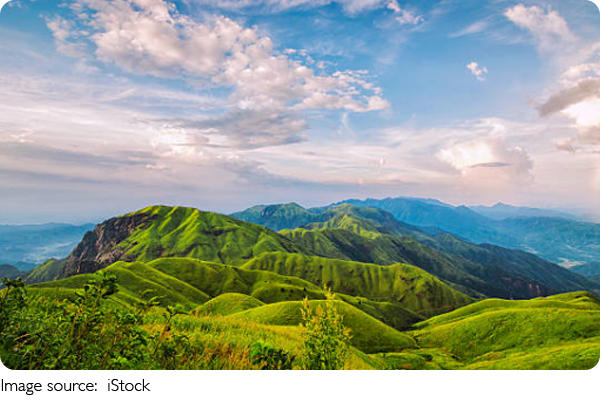
For a dramatic change of scenery, Lushan Mountain rises above the northern Jiangxi landscape near Jiujiang.
Recognized as a UNESCO World Heritage Site, the mountain is celebrated for its misty peaks, waterfalls, historic buildings, and longstanding connections with Chinese poetry and philosophy.
One of its best-known attractions is the Three-Step Waterfall, a spectacular cascade reached by a demanding walking route involving numerous stone steps.
Hanpokou is another popular viewpoint, offering sweeping mountain scenery and, on clear days, distant views toward Poyang Lake.
The main Lushan scenic area has traditionally charged approximately CNY 160 for general admission, with sightseeing transport and some attractions priced separately. Seasonal promotions can reduce the overall cost.
Guling, the mountain's principal visitor town, provides restaurants, hotels, and access to several scenic routes. Staying overnight allows travelers to enjoy the mountain at a more relaxed pace.
From Jiujiang, reaching the mountain visitor areas generally takes around one to two hours by road, depending on the chosen entrance and transport arrangements.
Spring and autumn are particularly pleasant for walking, while summer offers a cooler mountain climate than the surrounding lowlands.
Lushan Mountain
Wuyuan Countryside
Wuyuan offers a different side of Jiangxi, with traditional villages, terraced fields, and white-walled houses surrounded by wooded hills.
The region is especially famous in spring, when yellow rapeseed flowers spread across the countryside. March and April are popular months for photography, although the exact flowering period varies with the weather.
Villages such as Huangling and Likeng showcase traditional architecture and rural scenery. Huangling is particularly known for its hillside setting and colorful displays of agricultural produce drying outside village homes.
Autumn brings another distinctive atmosphere, with seasonal colors and harvest traditions replacing the spring flower displays.
Admission varies between individual attractions. Some village sites charge around CNY 50–100, while larger scenic areas with cable cars or additional experiences may cost considerably more.
Wuyuan is farther from the main Poyang Lake birdwatching areas, so it works best as an extension of a longer Jiangxi itinerary rather than a quick stop between wetland visits.
The county has high-speed railway connections, making it accessible from major cities in eastern China. Spending one or two nights allows time to explore several villages without rushing.
Jingdezhen Ancient Kilns
Jingdezhen has been associated with fine porcelain production for centuries, earning international recognition as one of China's most important ceramic centers.
The Ancient Kiln Folk Customs Expo Area introduces visitors to this heritage through traditional kiln structures, historic workshops, and demonstrations of porcelain-making techniques.
Artisans may be seen shaping clay, decorating ceramic pieces, and explaining production methods passed down through generations.
The site also presents different styles of historic kilns, illustrating how ceramic production developed across successive Chinese dynasties.
General admission is commonly around CNY 95 per person, and visitors can comfortably spend two to three hours exploring the exhibitions and workshop areas.
Beyond the museum, Jingdezhen has contemporary ceramic studios, creative districts, and markets where visitors can discover modern interpretations of traditional craftsmanship.
The city is a worthwhile addition to a journey in Jiangxi, particularly for travelers interested in art, design, and cultural history.
Jingdezhen is connected to Nanchang and other regional cities by rail and road, making it suitable for an overnight stay or a separate day of sightseeing.
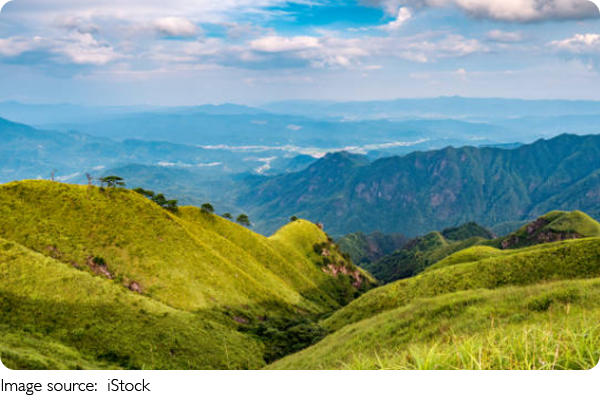
Poyang Lake offers a different experience in every season. Winter is the prime time for watching migratory cranes around Wucheng, while summer brings expansive waters and lush wetland scenery. Beyond the lake, Tengwang Pavilion, Lushan Mountain, Wuyuan's villages, and Jingdezhen's porcelain workshops reveal Jiangxi's rich cultural and natural diversity. Nanchang makes a convenient starting point, although the attractions are spread across the province and deserve several days of exploration. For the best balance of birdwatching and sightseeing, plan a winter visit and allow time to discover the landscapes beyond the lake.