Valley of Fire, Nevada

Amit Sharma
| 05-11-2026
 · Travel team
Hi, and thanks for joining us. A lot of Nevada travelers treat the desert as something to drive through on the way to somewhere else.
Valley of Fire State Park flips that. It sits about 50 miles northeast of Las Vegas, and the moment you pull off Interstate 15 the landscape stops being background and becomes the whole reason you came.
Why this park earns a stop
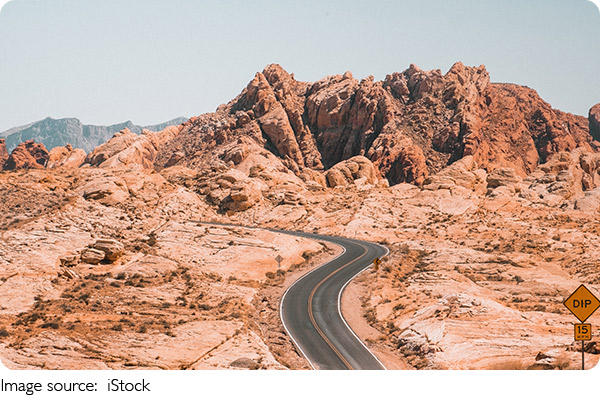
Valley of Fire is Nevada's oldest state park, and the name comes from the red Aztec sandstone that glows in low sun. You don't need a full day to see the headline sights, but you do need more than an hour. Most people drive the 10-mile scenic road and stop every few minutes because the rock formations keep changing color and shape. The park sits at roughly 2,000 feet elevation, so summer afternoons push past 100 degrees. Go early morning or late afternoon and the same rocks look completely different.
The formations worth your time
Start with Fire Wave, a striped sandstone formation that looks painted, reached by a 1.5-mile round-trip trail off the White Domes Road. Then drive to Elephant Rock, a natural arch near the east entrance that's a short walk from the parking lot. White Domes is the other must-see: a 1.25-mile loop that drops through a slot canyon and passes the remains of an old film set. Mouse's Tank is flatter and shorter, and the rock walls along that trail hold hundreds of petroglyphs carved by Ancestral Puebloans roughly 2,000 years ago.
Valley of Fire State Park
Getting there and getting around
From Las Vegas, take I-15 north to Exit 75, then follow Valley of Fire Highway about 20 miles east to the west entrance. The drive runs around an hour. There's no public transit and no shuttle, so you'll want your own car. Fill the tank before you leave the city; the nearest reliable gas is in Overton or back in Las Vegas. Cell service drops out across most of the park, so download an offline map before you go.

Costs and timing
Day-use entry runs about $15 per vehicle for Nevada residents and $25 for out-of-state visitors, paid at the entrance station or a self-serve kiosk. There are two campgrounds, Atlatl Rock and Arch Rock, at around $20 to $25 per night, first come, first served. Spring and fall are the comfortable windows. Summer works if you start at sunrise. The park has designated operating hours, and entrance gates may be closed outside those hours. Check the current opening and closing times before your visit, and allow enough daylight to finish your hikes.
Before you go
Bring more water than you think you need, at least a gallon per person for a half day, and wear shoes with real tread because the sandstone gets slick on the inclines. There's no food sold inside the park, so pack lunch. One practical tip: hit the visitor center first to grab a paper map and check trail conditions, since flash floods can close the White Domes Road with little warning.
The whole park rewards slow driving and short walks more than long hikes. Give yourself four to five hours, catch the rocks in morning or evening light, and you'll see why this stretch of desert holds its own against parks ten times its size. Next time you're in Las Vegas with a free day, point the car northeast and go.