Matterhorn Lake Trails

Darius
| 05-11-2026
 · Travel team
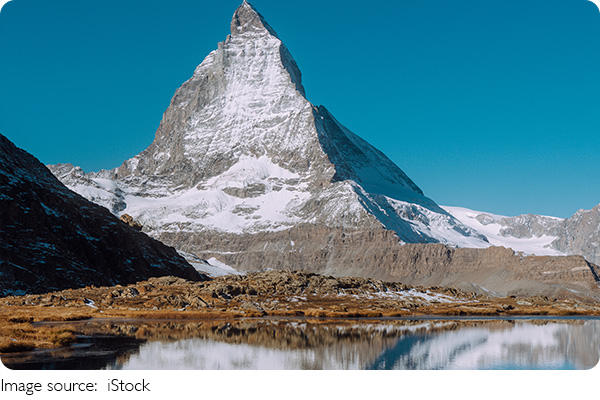
Hello, mountain walkers. Around Zermatt, rocky alpine paths lead to small lakes with clear views of the Matterhorn when the weather cooperates. One of the most rewarding routes connects several tarns above the village, including Stellisee, where the mountain can appear in the water.
The reflection depends on calm conditions, and the walk depends on seasonal trail and lift access. Choose a clear weather window and allow enough time to enjoy the route at your own pace.
Walk the Five Lakes
The Five Lakes Trail begins at Blauherd and leads toward Sunnegga, passing five mountain lakes: Stellisee, Grindjisee, Grünsee, Moosjisee, and Leisee. The mountain railway operator lists the route at approximately 9.8 kilometres and about two and a half hours of walking. Allow longer for photographs, a picnic, and stops on uneven ground. The route is generally rated moderate, with both downhill sections and shorter climbs.
From Zermatt, the usual approach uses the underground funicular to Sunnegga and a gondola onward to Blauherd. Follow the signed trail from the upper station and keep an eye on the last return service from Sunnegga. If the full distance feels ambitious, check the official trail map for a shorter out-and-back walk toward Stellisee. That shorter option still requires suitable footwear and a realistic return plan.
Find the Reflection
Stellisee, Grindjisee, and Leisee can each reflect the Matterhorn from the right angle when the surface is calm. Early light can be attractive, but wind, cloud, and lift operating hours affect what you see. Leave time for the view to change rather than promising yourself a perfectly still lake. The mountain may be hidden even on a day that starts clear in the village.
Leisee
The trail crosses exposed ground, with stones and loose surfaces in places. Stay on marked paths around the lake margins and avoid trampling delicate plants for a different camera angle. A wider frame can include the shoreline and surrounding peaks; a longer lens can focus on the mountain itself. If the water is rippled, enjoy the contrast between the rocky landscape and the lake instead of moving onto unsafe ground.
Plan Tickets and Timing
The Five Lakes route is primarily a summer hike. The mountain operator recommends June through September, but snow can remain on the path and the lift timetable changes between seasons. Check both the official trail status and the operation of the Sunnegga and Blauherd services before departure. In late autumn or winter, choose an open, marked winter route instead of assuming the summer circuit is available.
The operator listed a combined ticket for the ascent to Blauherd and descent from Sunnegga at roughly US$59–65 after currency conversion during the recent summer season. The ticket was seasonal, so check the next available dates and current fare before relying on it. Eligible travel passes may reduce the price. There is no separate charge to walk the public trail, while food and any extra transport are additional.
Compare Places to Stay
Hotel Butterfly has appeared around US$224 per night in sample Zermatt listings. Its central location near the railway station suits travelers arriving with luggage or using rail for the onward trip. A village room is convenient for an early start, although the price may be higher during popular travel periods. Check whether the selected room includes breakfast and whether a mountain view costs extra.
Alpenhotel Fleurs de Zermatt has appeared from US$213 per night including taxes and fees for a sample stay. It is another village option near the station, with hotel facilities that may appeal after a day on the trail. Compare the final price, breakfast, cancellation policy, and room category for the same dates rather than assuming either property will remain cheaper. Reserve a flexible rate if you expect to move your hiking day around the forecast.
Prepare for Mountain Weather
Zermatt is car-free, so drivers typically leave their vehicle in Täsch and continue by shuttle train. The rail operator lists a round-trip shuttle fare equivalent to about US$21, with reductions for eligible passes; parking is extra. Check the return schedule and keep your ticket for both directions. Staying in Zermatt removes that daily transfer, while staying in Täsch can mean more time spent traveling to the trailhead.
Carry water, a snack, sun protection, a waterproof layer, and warm clothing even when the village feels mild. The altitude at Blauherd is approximately 2,570 metres, and wind or a sudden shower can make an exposed path uncomfortable. Check the forecast again on the morning of the hike and turn back if conditions become unsuitable. A shorter walk with a comfortable return is more enjoyable than rushing to catch the last lift. The lakes above Zermatt offer several ways to enjoy the Matterhorn at walking pace. Pick a route that matches the season, leave time for changing light, and make the return journey part of the plan.