Diabetes Awareness

Marcus
| 06-11-2026
 · Travel team
Diabetes affects millions of people, yet many may not recognise the condition until noticeable health problems develop. In South Africa, November provides an opportunity to bring the issue into public discussion, encourage earlier testing and address misunderstandings surrounding the disease.
While awareness activities take place during this month, the importance of recognising symptoms and supporting people with diabetes extends throughout the year.

Why November Matters for Diabetes Awareness
November is recognised as Diabetes Awareness Month, with World Diabetes Day observed on November 14. The international observance was established in 1991 by the International Diabetes Federation and the World Health Organization. Its date was selected to coincide with the birthday of Sir Frederick Banting, who, together with Charles Best, co-discovered insulin.
The global theme for 2026 is Early Action on Diabetes, placing attention on timely diagnosis and reducing health risks. The World Health Organization is encouraging people to recognise possible symptoms, seek medical attention and challenge the stigma associated with the condition.
South Africa has a considerable diabetes burden. According to the International Diabetes Federation's country profile, approximately 2.3 million adults in the country are living with diabetes, with a reported prevalence of 7.2%. The figures highlight why public awareness and access to appropriate healthcare remain important.
Understanding How Diabetes Develops
Diabetes is a condition in which the body cannot properly regulate the amount of glucose in the blood. Glucose provides energy for the body's cells, while insulin helps it move from the bloodstream into those cells. Problems occur when the pancreas does not produce enough insulin or when the body cannot use it effectively. There are different forms of diabetes, and understanding their differences is important.
- Type 1 diabetes is an autoimmune condition in which the body's immune system attacks the cells responsible for producing insulin. People with this type require insulin treatment.
- Type 2 diabetes develops when the body does not respond effectively to insulin. It accounts for more than 95% of diabetes cases and is often associated with several health and lifestyle-related risk factors.
- Gestational diabetes develops during pregnancy and requires medical attention and follow-up. Each type has different characteristics, so proper assessment by healthcare professionals is important.
Warning Signs That Should Not Be Ignored
Recognising possible symptoms can help people seek medical advice sooner. Common warning signs include unusual thirst, frequent urination, persistent tiredness and blurred vision. Some people may also experience increased hunger or unexplained weight loss.
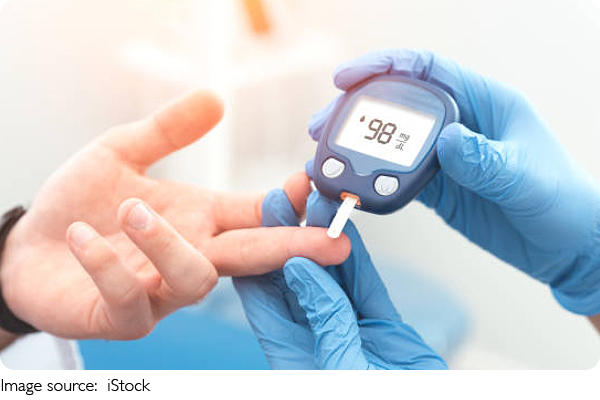
Type 2 diabetes can develop gradually, which means its symptoms may be difficult to notice at first. A person might not realise that anything is wrong until the condition has progressed or a routine health check identifies elevated blood glucose. High blood glucose that remains untreated can damage several parts of the body, including the heart, kidneys, eyes, nerves and blood vessels. A healthcare professional can recommend an appropriate blood glucose test when symptoms or risk factors raise concern.
Early Testing and Daily Health Choices
People should not wait until symptoms become obvious before discussing diabetes screening with a healthcare professional. Those who have concerns or recognised risk factors can ask whether testing is appropriate for them.
For type 2 diabetes, certain everyday habits may help reduce the risk or delay its development. Regular physical activity and balanced meals are important parts of maintaining overall health. The World Health Organization recommends at least 150 minutes of moderate-intensity physical activity each week.
Supporting People Living With Diabetes
Awareness also involves changing how people speak about diabetes. Blaming individuals for their diagnosis or making assumptions about their food choices can create stigma and discourage them from discussing their health.
A more supportive approach is to listen, avoid judgement and ask what kind of assistance someone needs. People living with diabetes may have different treatment plans and daily requirements. Their prescribed medication and professional medical guidance should always be respected. Online remedies should never replace proper clinical care.
South Africa's November Awareness Activities
Local participation offers another way to bring attention to diabetes. Sweet Life's 2026 #WearBlueforDiabetes campaign encourages community walks on November 14. Wearing blue and joining local activities provide opportunities for people to show support and share reliable information. These activities can also encourage conversations about warning signs, screening and access to ongoing healthcare
The message of Early Action on Diabetes should continue beyond November. Better understanding, less judgement and timely access to healthcare can help turn public awareness into practical support throughout the year.