EV Charging Saves More

Hana
| 07-11-2026
 · Automobile team
The cost of running an electric car is becoming more competitive again. In 2026, petrol and diesel prices have moved sharply, while public EV charging costs have remained comparatively stable. That shift has created one of the clearest recent savings gaps between electric and conventional driving.
For motorists without access to a home charger, this matters particularly. Public charging has often been criticized for being too expensive, but current figures suggest that a typical mix of standard and rapid charging can now cost less per mile than petrol.
Electric Miles Cost Less
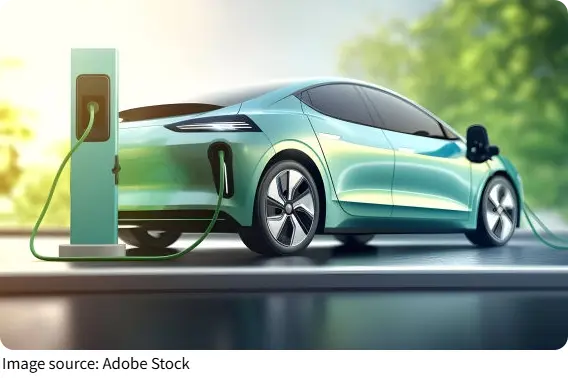
Using a combination of standard and rapid public chargers currently works out at around 16p per mile for a typical electric car.
A comparable petrol vehicle costs closer to 19p per mile.
For someone driving around 7,100 miles a year, that difference represents an annual saving of approximately £152.
The advantage has widened partly because petrol and diesel prices have been unusually volatile. During 2026, petrol prices have moved by around 33%, while diesel has fluctuated by roughly 42%.
Electricity prices for both home and public charging have been considerably steadier.
Charging Speed Changes The Bill
The price of an electric journey still depends heavily on the type of charger being used.
Slower public chargers are generally more economical because vehicles remain connected for longer periods. Rapid and ultra-rapid units cost more but are designed for drivers who need to recover significant range quickly.
This means someone who regularly charges while shopping, working or parking overnight may spend noticeably less than a motorist who depends mainly on rapid motorway stations.
Charging behavior can therefore influence annual running costs almost as much as vehicle efficiency.
Home Charging Has A Bigger Lead
Drivers able to charge on a driveway or in a private parking space still enjoy the strongest financial advantage.
Domestic electricity, particularly on discounted overnight tariffs, can make each mile dramatically cheaper than either petrol or public charging.
The difference has created what industry representatives describe as a divide between households with private parking and those without it.
Drivers living in flats or terraced homes often depend on public infrastructure and therefore pay more for the same electricity.
Tax Makes Public Power Pricier
The tax system adds to that difference.
Public charging currently carries 20% VAT, while domestic electricity receives much more favorable treatment. As a result, motorists without home-charging access face higher energy costs simply because of where they live.
Industry chief Shane Brennan has argued that electric driving can already provide meaningful household savings, but he believes reducing these pricing inequalities would make the advantage more reliable for a much wider group of drivers.
The industry has also called for lower fixed costs on public charge points and measures that could keep charging prices competitive even when energy markets change.
Lower Prices Could Boost Demand
Public charging costs also influence whether people are willing to buy an electric car in the first place.
Industry polling suggests that making public charging permanently cheaper than petrol could significantly increase interest in EVs.
That makes affordability as important as infrastructure expansion. Installing more chargers helps only if drivers feel confident that using them will not erase the savings associated with switching away from petrol.
Savings Still Depend On The Driver
No single figure applies to every electric-car owner.
Mileage, efficiency, charging speed and access to home electricity all affect the final cost. A driver using mostly slower chargers may save substantially more than someone relying on ultra-rapid stations several times a week.
Still, the broader picture has changed. Public charging is no longer automatically the expensive option.
As fuel prices remain unpredictable, electricity is becoming a more stable alternative. The next challenge is ensuring that this advantage is available not only to drivers with private driveways, but also to those who depend entirely on the public network.