Kenya's Wildest Hikes

Priya
| 07-11-2026
 · Travel team
Kenya may be famous for game drives, but some of its most memorable landscapes are best explored on foot. Trails climb volcanic rims, cross high-altitude moorland and pass through forests where wildlife is still very much part of the environment.
The variety means hikers do not need to commit to a week-long expedition. There are challenging multi-day climbs, demanding day hikes and easier routes close enough to Nairobi to fit into a short trip.
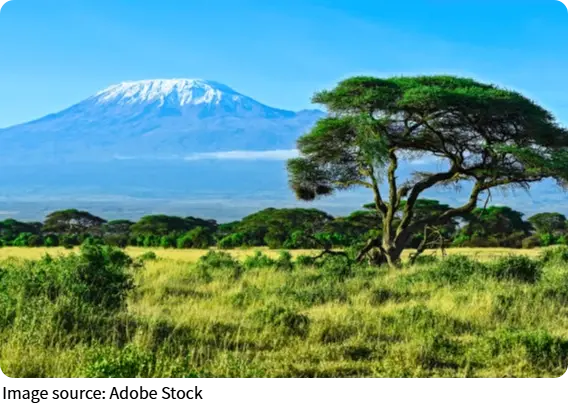
Climb High On Mount Kenya
Mount Kenya is the country’s most ambitious trekking destination. While the technical summits of Batian and Nelion require climbing experience, Point Lenana at 4,985 meters is accessible to strong hikers without technical mountaineering skills.
Most itineraries take four or five days, allowing time to adjust to the altitude. The Sirimon and Chogoria routes are particularly popular because they combine forest, unusual Afro-alpine vegetation, high valleys and dramatic volcanic scenery.
For international visitors, national park entry currently costs about €63 per adults per day. Accommodation, guides, food and transport are additional, so a multi-day climb quickly becomes one of the more expensive hiking experiences in Kenya.
Park authorities advise hikers to remain on established trails and treat the mountain environment cautiously, particularly as conditions can change rapidly at altitude.
Circle A Volcanic Crater
Mount Longonot offers a completely different challenge within easy reach of Nairobi.
The trail climbs steeply toward the rim of an extinct volcano before giving hikers the option to continue around the crater. Completing the full circuit usually takes four to six hours and involves several demanding ascents and descents.
The reward is a sweeping view across the Great Rift Valley and into the forest-filled crater.
International adults entry costs approximately €45. Because there is little shade on the upper slopes, an early start is strongly recommended. Carrying enough drinking water is essential, especially during warmer months.
Find Misty Trails In Aberdare
For cooler weather and greener scenery, the Aberdare Range offers forests, waterfalls and broad highland moors.
Routes can lead toward peaks such as Lesatima and Il Kinangop, while shorter walks focus on waterfalls and forest scenery.
The landscape can become wet and misty very quickly, so waterproof layers are useful even when the morning begins with clear skies.
Guides and permits are required for some higher routes, making advance planning important. Wildlife is another reason not to wander away from established paths: elephants, buffalo and other large animals inhabit the park.
Go Remote In Matthews Range
The Matthews Range in northern Kenya is for travelers looking for something far removed from popular hiking circuits.
Trails pass beneath dense forest canopy, through remote valleys and toward peaks reaching around 2,688 meters. Local Samburu guides are particularly valuable here, not only for navigation but also for identifying wildlife through tracks and sounds.
The region is much harder to reach than Mount Longonot and accommodation tends to be based around remote camps and lodges. Costs therefore depend heavily on transport and the chosen guide package rather than a simple entrance ticket.
Choose The Right Season
January to February and June to September generally offer the most comfortable conditions for hiking, with less rainfall and clearer trails.
March to May can bring heavy rain, turning mountain and forest paths muddy and difficult. Conditions at high altitude remain unpredictable throughout the year.
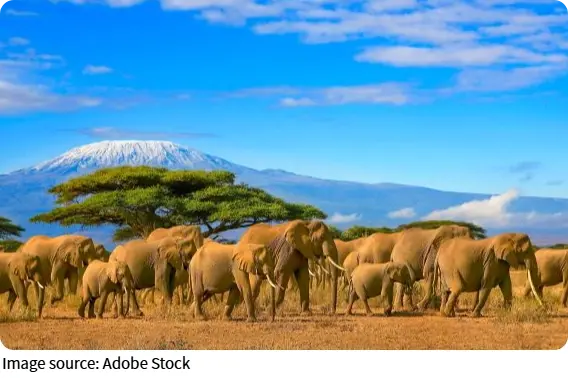
Kenya’s hiking appeal comes from contrast. One journey can involve standing above a volcanic crater, walking among giant alpine plants and crossing a valley where wildlife still moves freely. For travelers willing to leave the safari vehicle behind, the country reveals an entirely different side of its wilderness.