Speech Mimics Birdsong
Mukesh Kumar
| 14-11-2026
 · Science team
Human conversations and birdsong may seem like completely different forms of communication. One involves language, words, and shared meaning, while the other relies on distinctive calls and melodies.
However, new research suggests that both follow several similar patterns when sounds are arranged into sequences. The findings reveal unexpected connections between human speech, music, and the natural sounds produced by birds.
A Large Collection of Vocal Recordings
To investigate the similarities, researchers needed a broad collection of recordings from different species. The work developed from approximately ten years of research examining whether common patterns in human vocal sounds could also be observed in zebra finch songs.
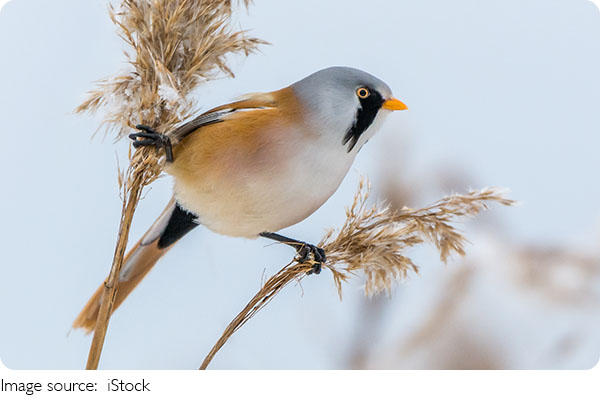
The project expanded when another researcher proposed examining a much wider range of bird species. This required gathering recordings from different locations and carefully examining how individual sounds were organized. The team used publicly available birdsong recordings contributed by people around the world. They then manually identified and marked individual syllables from the songs of more than 360 species. Altogether, the researchers assembled a collection containing over 70,000 birdsong syllables.
These recordings were compared with existing collections of human speech and singing. The human material covered 52 languages and included examples that allowed researchers to examine both speaking and singing patterns.
Patterns Shared by Humans and Birds
One of the most interesting results involved the way phrases end. Both humans and birds commonly produce longer syllables toward the end of a vocal sequence. This means that the final sound in a phrase may last longer than the sounds that come before it. The study also identified similarities in pitch organization. In both human and bird vocalizations, adjacent syllables tend to be arranged in ways that limit sudden differences in pitch. This creates a smoother transition between sounds.
Rhythm was another shared feature. Human speech, singing, and birdsong often display regular timing patterns rather than completely unpredictable sequences. Although the exact rhythms differ between species and languages, the researchers found recurring principles in how sounds are arranged.
Interestingly, birdsong did not always resemble human music more closely than speech. In some comparisons, bird vocalizations shared more features with human singing, while in others they showed stronger similarities to ordinary speech.
Does Learning to Vocalize Explain the Similarities?
The researchers also wanted to understand whether the ability to learn vocal sounds influences how those sounds are organized. Humans develop speech and singing through experience, learning patterns by listening to other people as they grow. Some bird groups also learn their vocalizations. The study examined songbirds and hummingbirds, comparing them with suboscines and nightjars, which do not learn their vocalizations in the same way.
The researchers initially expected the vocal-learning groups to display more similar patterns to humans. However, the results provided little evidence to support that idea.
The Physical Process Behind Vocal Sounds
If vocal learning does not fully explain the similarities, what could be responsible? The researchers suggest that the physical process of producing sound may offer a possible explanation. Humans and birds must coordinate airflow with movements of the muscles involved in vocal production. Air from the lungs passes through the vocal system while different muscles control how sounds are shaped.
This coordination requires precise timing. The way airflow and muscle movements work together may naturally encourage certain patterns in the order, length, and rhythm of sounds. The researchers present this as a possible explanation rather than a confirmed answer.
Could Birdsong Have Influenced Human Music?
The findings also raise an interesting question about the relationship between natural sounds and the development of human music. Songbirds have existed for approximately 50 million years, meaning their vocalizations were part of natural environments long before modern humans appeared.
Birdsong has inspired musical creativity across different societies and periods. Natural rhythms and melodies may have encouraged people to experiment with their own vocal sounds, although the new research does not establish that birds directly influenced the development of human singing.
By examining vocal recordings across hundreds of species and dozens of languages, the study provides a broader perspective on communication. It shows that some familiar features of human speech and music may have connections with the natural world that are more extensive than previously expected.