Sensitive Teeth Explained

Declan Kennedy
| 18-11-2026
 · News team
Tooth sensitivity can make everyday activities such as drinking cold beverages, breathing in chilly air, and enjoying spicy foods uncomfortable.
These sensations involve different sensory pathways, making it important to understand their underlying mechanisms and how appropriate dental care can help maintain comfort.
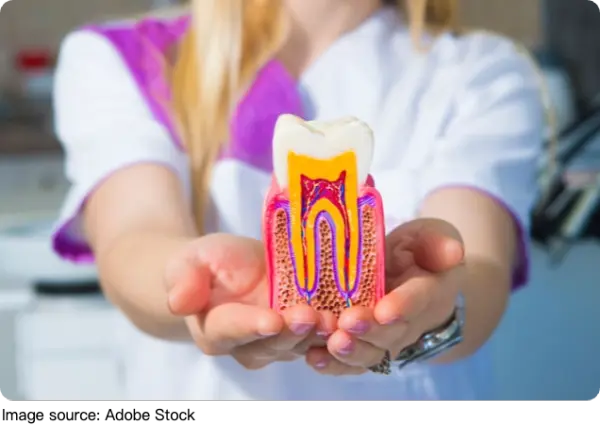
Dentin hypersensitivity commonly develops when the protective enamel wears away or gum recession exposes the underlying dentin. This layer contains microscopic channels called dentinal tubules, which connect the outer tooth surface with the inner pulp. External stimuli can influence sensory nerve activity through these channels, producing the characteristic brief sensation associated with sensitive teeth.
How Cold Air Triggers Sensitivity
Cold temperatures are common triggers of dentin hypersensitivity. When cold air reaches exposed dentin, particularly around the tooth roots or areas where enamel has worn away, it can stimulate sensory nerves and produce a sudden sensation.
The hydrodynamic theory provides the most widely accepted explanation for this response. According to this mechanism, temperature changes cause fluid movement within the dentinal tubules. This movement stimulates nerve endings near the dental pulp, generating the characteristic sharp sensation.
Research supports this explanation, as described in Pathogenesis, Diagnosis and Management of Dentin Hypersensitivity: “fluid movements within exposed dentinal tubules, i.e., the hydrodynamic theory, has been a widely accepted explanation for DHS pain.”
Several factors can contribute to dentin exposure, including enamel erosion, gum recession, aggressive brushing, and dietary acid exposure. Using gentle brushing techniques and maintaining appropriate dental hygiene can help protect exposed tooth surfaces.
Why Spicy Foods Cause Burning
Spicy foods produce a different sensory response. Capsaicin, the natural compound responsible for chili heat, activates transient receptor potential vanilloid 1 (TRPV1) receptors.
These receptors respond to heat and certain chemical stimuli, sending signals through sensory nerves that the brain interprets as burning sensations.
Unlike dentin hypersensitivity, capsaicin-related burning does not necessarily originate from exposed dentinal tubules. It can involve sensitive tissues of the tongue, gums, and surrounding mouth structures.
The distinction is important because sensitivity caused by cold temperatures and burning caused by spicy foods involve different biological processes. Understanding the source of each sensation helps guide appropriate care.
Effective Ways to Protect Sensitive Teeth
Maintaining comfortable, healthy teeth involves protecting enamel, supporting gum health, and choosing suitable dental care products.
Choose desensitizing toothpaste
Specially formulated toothpastes can help reduce dentin hypersensitivity. Depending on their formulation, they may contain potassium salts or ingredients such as stannous fluoride and calcium sodium phospholipase, which help reduce sensory stimulation or block exposed dentinal tubules.
Consistent use according to product instructions is important, as improvements may develop gradually. The effectiveness of individual formulations can vary.
Practice gentle brushing
Use a soft-bristled toothbrush and gentle movements to minimize enamel wear and gum irritation. Fluoride toothpaste supports enamel remineralization and helps protect against tooth decay.
Brushing twice daily and cleaning between the teeth regularly also contribute to maintaining dental health.
Adjust dietary choices
Identify foods and beverages that trigger discomfort and adjust their consumption accordingly. Reducing the intensity of spicy foods may help when capsaicin causes burning sensations.
Limiting frequent exposure to acidic foods and beverages is also beneficial because dietary acids can gradually weaken enamel. Drinking water after consuming acidic foods helps clear residual acids.
Consider professional dental care
A dental examination helps determine whether sensitivity is associated with exposed dentin, gum recession, enamel erosion, or another dental condition.
Depending on the findings, treatment may include professional fluoride applications, desensitizing agents, protective bonding, or restorative procedures. A personalized treatment approach helps address the underlying cause and maintain tooth function.
Tooth sensitivity involves several sensory mechanisms, with cold temperatures and spicy foods producing different responses. Cold air can stimulate exposed dentin through fluid movement within microscopic tubules, while capsaicin activates TRPV1 receptors associated with heat and chemical sensations.
Understanding these mechanisms helps guide effective dental care. Gentle brushing, suitable desensitizing toothpaste, balanced dietary choices, and regular dental examinations all contribute to protecting tooth surfaces and maintaining long-term dental comfort.