Kenya's Water Adventures

Mariana Silva
| 23-11-2026
 · Travel team
Kenya's coastal landscape offers much more than sandy beaches and ocean views. Around Watamu, visitors can travel through winding mangrove channels, watch traditional fishing boats return to shore, sail aboard wooden dhows, and take part in water sports along the Indian Ocean.
These experiences provide a different perspective on the country's natural environment, combining coastal recreation with local history and marine conservation.

Exploring Watamu's Mangrove Channels
Watamu, located north of Mombasa on Kenya's eastern coastline, is known for its clear ocean water, beaches, and marine biodiversity. The town also has a long history as a Swahili coastal settlement, with roots dating back to the 12th century when it functioned as a trading port.
One of the area's distinctive experiences involves exploring nearby mangrove waterways by kayak or stand-up paddleboard. The journey begins with a short tuk-tuk ride through the coastal landscape before visitors reach the water. Once on the channels, paddlers move between tall mangrove trees and their exposed, tangled roots.
The mangrove environment offers a contrast to Watamu's open beaches. Instead of waves and wide ocean views, visitors encounter sheltered waterways, shaded paths, and a closer look at the coastal ecosystem.
Watamu's Traditional Sailing Heritage
The area's relationship with the ocean is also reflected in its fishing communities and traditional boats. Visitors can watch fishermen return from overnight trips and bring their catches ashore. The activity offers a glimpse into the daily routines that support coastal livelihoods.
Among the boats found along this coastline is the ngalawa, a traditional Swahili sailing vessel. Its continued presence reflects the maritime knowledge developed by coastal communities over generations. Another way to experience this heritage is through a dhow excursion. Dhows are traditional wooden sailing boats that have travelled along East Africa's coastline for centuries. Their distinctive lateen sails allow them to make use of the wind while moving through coastal channels and open water.
Marine Conservation Through Turtle Protection
Watamu's coastal attractions are closely connected to efforts to protect marine wildlife. During his visit, Swynnerton witnessed a green turtle being returned to the ocean by Local Ocean Conservation, a nearby non-governmental organisation. The turtle had been rescued after becoming caught in a fisherman's net and received care before being considered ready for release. Its return to the sea demonstrated the role that local conservation organisations can play in protecting marine animals.
For visitors, the experience provides a reminder that the health of the coastline depends on more than tourism. Responsible fishing practices, wildlife protection, and community involvement all contribute to maintaining the marine environment that makes Watamu attractive.
Kitesurfing at Garoda Beach
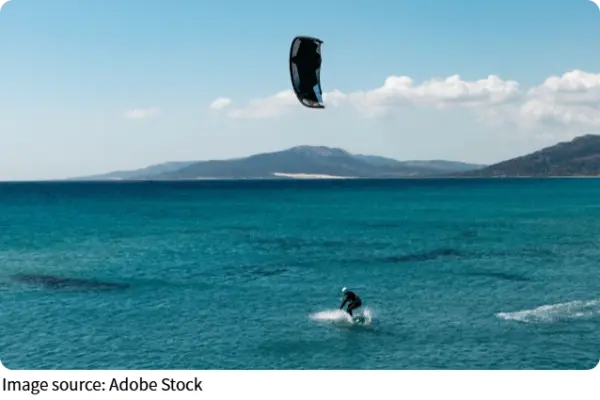
Travellers seeking a more active experience can head to Garoda Beach for kitesurfing. The activity combines a board, a large controllable kite, and wind to move across the water. Tribe Watersports, which has operated in Watamu since 2012, offers activities including beginner kitesurfing lessons, snorkelling trips, kiteboarding safaris, and kayaking.
For newcomers, lessons provide an introduction to controlling the kite, maintaining balance, and moving safely across the water. The company supplies safety equipment for beginner sessions, while participants are expected to follow instructors' guidance and wear appropriate protective gear.
Getting to Watamu
There are several ways to reach Watamu from other parts of Kenya. One convenient option is a scheduled flight from Nairobi to Malindi, followed by an approximately 30-minute road transfer to Watamu. Travellers who prefer driving can make the journey from Nairobi, which takes around 10 hours according to the travel guide.
Watamu demonstrates how Kenya's coastal destinations can offer experiences beyond conventional beach holidays. Choosing qualified guides, following safety instructions, and respecting marine habitats can help make the experience enjoyable while supporting the protection of the coastline.