Postpartum Wellness!

Mukesh Kumar
| 23-11-2026
 · News team
The period following childbirth brings significant changes to daily routines, relationships, physical recovery, and emotional wellbeing. Caring for a newborn can be rewarding, but interrupted sleep, limited personal time, and reduced social contact may make the transition particularly demanding.
Preparing for this stage involves more than arranging baby supplies and medical appointments. Emotional support and healthy daily routines also deserve attention. Clinical psychologist Lauren Mizock, PhD, proposes a practical postpartum prevention plan centred on three activities: spending time outside, exercising, and socializing.
Why a Postpartum Plan Matters
Postpartum depression and anxiety can affect emotional health, relationships, sleep, and the ability to manage everyday responsibilities. Symptoms vary considerably, and not every experience of sadness or exhaustion indicates a clinical condition. However, persistent low mood, excessive worry, loss of interest, and difficulty managing daily activities deserve attention. A supportive routine may help reduce some pressures associated with the transition to parenthood, particularly when practical assistance is available.
1. Spend Time Outdoors
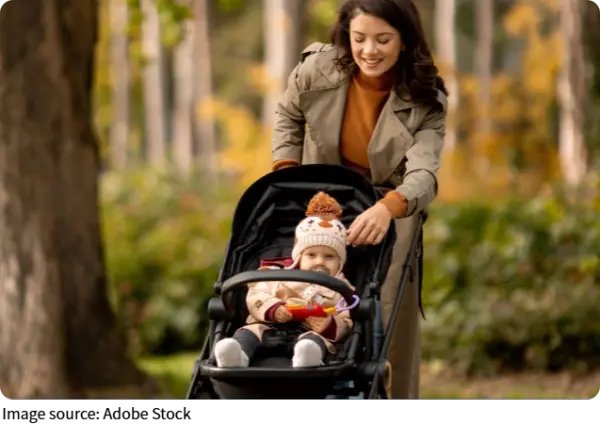
Remaining indoors for extended periods can make everyday life feel repetitive, especially when most activities revolve around feeding, sleeping, and caring for a newborn. Spending time outside introduces natural light, fresh surroundings, and different sensory experiences.
Research discussed by Mizock links nature exposure with improved mood, emotional regulation, optimism, and resilience. A 2023 study published in BMC Women's Health also examined mothers' experiences of spending time in natural environments and its relationship with postnatal wellbeing.
Outdoor activities do not need to involve demanding trips. A short walk around the neighbourhood, sitting in a garden, or visiting a nearby park can provide a welcome change of environment. When access to nature is limited, a café, library, or other comfortable public setting may offer useful variety.
2. Introduce Suitable Physical Activity
Movement can support both physical recovery and emotional wellbeing following childbirth. Walking is one accessible starting point because intensity and duration can be adjusted according to individual recovery. A 2025 systematic review and meta-analysis published in the British Journal of Sports Medicine examined postpartum physical activity across multiple studies.
Mizock also discusses research suggesting that at least 80 minutes of more vigorous exercise each week may produce a moderate reduction in symptom severity. However, this should not be treated as an immediate target for everyone recovering from childbirth. Gentle movement can begin when medically appropriate, followed by gradual increases in activity.
3. Maintain Meaningful Social Connections
Social support can make the transition to parenthood less isolating. Regular contact with friends, relatives, and other parents provides opportunities to share experiences, discuss concerns, and receive practical assistance. Research published in Women's Health Issues in 2022 examined the relationship between social support and postnatal anxiety and depression. The findings highlighted the importance of supportive relationships, particularly among people facing additional challenges or existing mental health risks.
Simple arrangements can make social contact easier. Inviting a trusted friend for a short visit, joining a parent-and-baby activity, or arranging a walk with a relative can create regular opportunities for connection.
Expert Insight
Lauren Mizock, PhD, a clinical psychologist and faculty member at the Fielding Graduate School of Clinical Psychology, describes how the three habits can work together. “These three practices can provide a daily structure that maximizes joy during a time that is challenging but also fulfilling.”
When Lifestyle Changes Are Not Enough
Healthy routines can support emotional wellbeing, but they are not substitutes for medical assessment or treatment. Some postpartum symptoms continue despite regular exercise, outdoor activity, and social support. Persistent sadness, severe anxiety, feelings of hopelessness, or difficulty carrying out everyday responsibilities should be discussed with a qualified healthcare professional.

Spending time outdoors, engaging in suitable physical activity, and maintaining meaningful relationships form three practical components of a postpartum wellbeing plan. A gradual routine supported by family, friends, and healthcare professionals can make the transition after childbirth more manageable. When symptoms persist or become severe, professional assessment remains essential.