New Animal Discoveries!

Rafael
| 23-11-2026
 · Animal team
Scientists have identified an impressive range of previously unknown animal species in 2026, revealing just how much of the natural world remains unfamiliar. Some of the discoveries came from dense forests, while others were recorded far beneath the ocean's surface.
Among the most unusual finds are monkeys with distinctive facial markings, tiny insects named after a famous singer, and a deep-sea creature often mistaken for a shark. Each discovery adds another piece to our understanding of biodiversity. Here are five notable examples that have attracted attention this year.
Monkeys With Mask-Like Markings
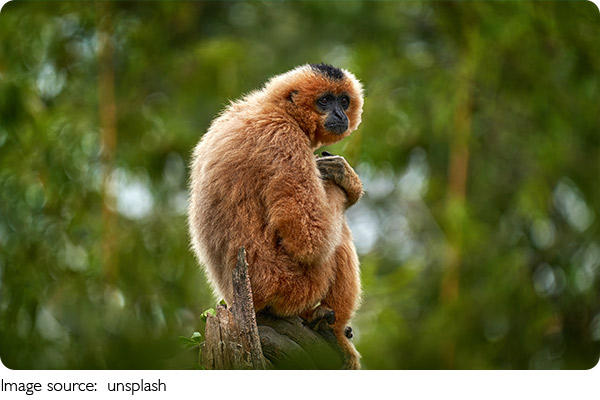
A rainforest in the Democratic Republic of Congo became the setting for an important primate discovery. Researchers photographed a previously unidentified monkey with pale markings around its eyes and mouth. The unusual pattern creates an appearance similar to a mask, giving the animal a distinctive look.
Local people call the monkey Likweli, while scientists have given it the scientific name Colobus congoensis. Its identification is particularly notable because new monkey species are rarely recorded in Africa. Over the past 75 years, only five previously unknown species of African monkeys had been identified.
The discovery highlights the importance of studying rainforest habitats, where animals can remain unfamiliar to scientific researchers for many years. Photographs and observations from the field can provide valuable starting points for further investigation.
Four Insects Inspired by Taylor Swift
Not every new species receives a scientific name inspired by popular music. In September 2026, researchers introduced four newly identified species of tiny, plant-feeding insects from Australia with names connected to Taylor Swift and her music.
The insects belong to a group named Swiftiephylus, a reference to the singer's dedicated fan community, known as Swifties. Individual species received names inspired by her work, including references to the albums Fearless and The Tortured Poets Department. The naming choice was intended to attract wider public interest in insects. Although small creatures can easily be overlooked, they play important roles in natural environments.
A Newly Identified Wildcat
Another significant discovery came from the forests of Bolivia in South America. Researchers identified a previously unknown wildcat species named Leopardus tilcayo. It is especially noteworthy because scientists had not formally identified a new wildcat species in more than a century.
The animal is approximately the size of a domestic cat. Its coat features both spots and markings, which initially made it difficult to distinguish from other wildcats living in the same region. Researchers eventually used DNA testing to establish that it represents a separate species. Genetic information can reveal differences that are not always obvious from appearance alone, making it an important tool for identifying wildlife.
Scientists believe there may be additional wildcat species that have not yet been formally recognised. The discovery of Leopardus tilcayo shows why continued research in forest environments remains valuable.
The Crab That Wears a Natural Hat
An unusual-looking crab was among 149 previously undocumented marine species recorded during research in the Indian Ocean. Known as the sponge crab, its scientific name is Sphaerodromia brizops. It has a particularly interesting habit: carrying marine invertebrates on its back, creating an appearance similar to wearing a hat.
The specimens were collected during research conducted in 2021 and 2022, around 1,000 miles off the Australian coast. However, the findings received wider scientific attention in June 2026, when researchers published their study documenting the different marine creatures.
A Ghost Shark and 1,120 More Discoveries
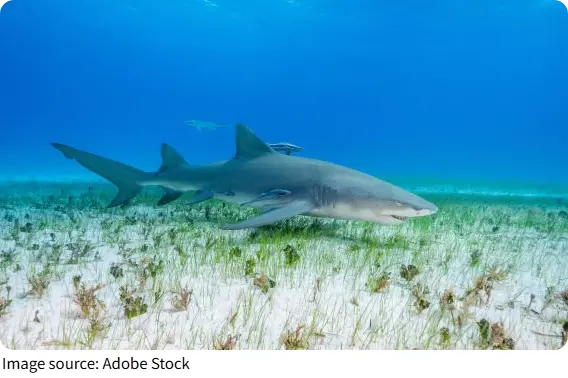
Deep-sea research produced one of the year's largest collections of new marine findings. Scientists identified 1,121 previously unknown sea creatures through 13 expeditions conducted around the world as part of an Ocean Census led by The Nippon Foundation. One particularly unusual discovery was a ghost shark. Despite its common name, it is not actually a true shark. Ghost sharks, also known as chimaeras, are distant relatives of sharks and rays.
The newly identified species was recorded off Queensland, Australia, at depths reaching 838 metres. Studying creatures from such environments can be challenging because researchers must work with conditions that are very different from those found closer to the surface.
The animal discoveries of 2026 show that important scientific findings can come from almost anywhere, from tropical forests to remote underwater environments. Some species stand out because of their unusual appearance, while others require detailed genetic research before scientists can confirm their identity.
Beyond their interesting names and distinctive features, all five discoveries offer valuable information about the variety of life on Earth. Continued observation, careful research and the protection of natural habitats will help ensure that more species can be studied and understood in the years ahead.