Cleaner Truck Standards

Simone
| 25-11-2026
 · Automobile team
Switzerland is preparing to bring its emissions rules for newly registered vans and trucks closer to European Union standards, with different consequences for the two vehicle categories. The proposed changes would give light commercial vehicles more flexibility from 2030, while requiring heavy trucks to achieve deeper emissions reductions.
The Swiss Federal Council has submitted draft revisions to the CO₂ Act and Energy Act for public consultation. The initiative is intended to align the country's requirements for new vehicles from 2030 with the EU Commission's forthcoming Auto Package. However, the proposal does not cover requirements from 2035 onwards.
Different Targets for Vans and Trucks
The most significant adjustments concern light and heavy commercial vehicles. Under the proposal, Switzerland would relax the emissions target for light commercial vehicles, including vans and transporters. From 2030, the target would rise from the previously planned 90.6 grams of CO₂ per kilometre to 108.7 grams per kilometre. A higher permitted emissions figure means manufacturers would have more room to meet the requirements for this vehicle category.
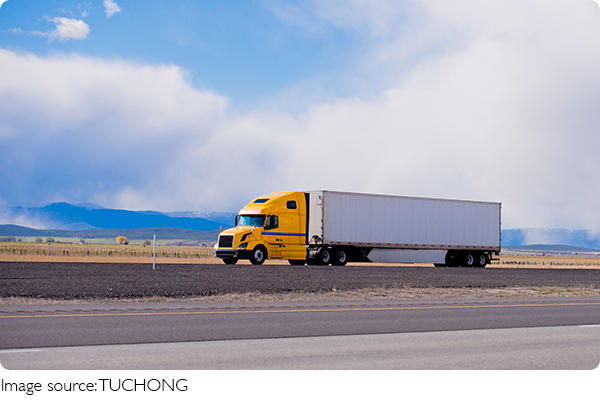
The direction is different for heavy commercial vehicles. Rather than retaining the previously planned 30 per cent emissions reduction, the Swiss proposal calls for a 45 per cent reduction from 2030. This distinction reflects the government's decision to adjust the requirements according to vehicle type. While the rules for vans would become less demanding, truck manufacturers and operators would face a stronger reduction target.
Electric Trucks Already Gaining Ground
Switzerland's transport sector has made progress towards the proposed requirements for heavy vehicles. Figures from the European Automobile Manufacturers' Association (ACEA) show that electric trucks accounted for 26 per cent of new truck registrations in Switzerland during the first half of 2026. The figure covers trucks with a gross vehicle weight above 16 tonnes.
Charging infrastructure is also receiving additional support. A funding programme introduced in early 2026 was designed to help install charging facilities for electric trucks. Demand was strong enough for the programme's budget to be doubled in October, increasing from 20 million to 40 million Swiss francs.
The expansion of charging facilities is important because electric trucks need suitable places to recharge during their operations. More available infrastructure can support companies considering electric vehicles for their fleets. The registration figures and increased funding suggest that Switzerland's commercial transport sector is already moving towards greater electrification, although the proposed emissions targets would establish a more demanding framework for the coming years.
Passenger Car Targets Remain Unchanged
The draft legislation does not introduce new emissions targets for passenger cars. Switzerland's existing requirements are already aligned with the EU's standards, so the planned changes focus on commercial vehicles instead. The passenger car fleet target has stood at an average of 93.6 grams of CO₂ per kilometre under the WLTP measurement system since 2025. From 2030, the target will remain at 49.5 grams per kilometre.
Electric vehicles are also gaining a substantial share of the Swiss passenger car market. In October, battery-electric models represented 34.9 per cent of new passenger car registrations. Although the passenger car targets are not changing, the proposal includes an administrative adjustment for importers. Instead of assessing compliance strictly each year, manufacturers and importers would be able to calculate target performance using a three-year average covering 2030 to 2032.
A New European Vehicle Energy Label
Switzerland is also planning to replace its current vehicle energy label with the forthcoming standardised EU label. This change would affect how vehicles are classified according to their energy efficiency. Under the European system, the classification primarily considers CO₂ emissions produced locally by the vehicle. As a result, fully electric cars would consistently receive the highest efficiency category, A.
The existing Swiss system also takes the country's electricity mix into account. This has meant that some electric vehicles previously received category B rather than the top rating. The proposal would therefore bring Switzerland's vehicle labelling approach closer to the EU method. Manufacturers would also be allowed to provide the label directly from the factory, which could reduce additional work for importers.
Consultation Before Implementation
The proposed revisions are still part of a legislative process rather than rules that have already taken effect. The Swiss Federal Council has opened the consultation period, giving interested parties an opportunity to submit comments on the draft legislation. Submissions are due by 18 February 2027. The EU's forthcoming automotive package may still undergo revisions, but Switzerland is beginning its own process now to avoid missing the planned implementation deadlines.
Switzerland's proposal creates two different paths for commercial vehicles: more flexibility for vans and stricter emissions requirements for trucks from 2030. At the same time, passenger car targets will remain unchanged, while vehicle energy labels will move towards a common European format.
The final outcome will depend on the consultation and subsequent legislative steps. For manufacturers, importers and transport companies, the proposed changes provide an early indication of the requirements they may need to prepare for as Switzerland aligns more closely with EU standards.